2026 Best PAXgene Blood RNA Tubes for RNA Collection?

Choosing the 2026 best paxgene blood rna tubes is less about a universal winner and more about reliable RNA preservation in your specific workflow. Blood can change quickly after collection. Tube handling, mixing, transport time, and extraction procedures all matter. A tube that performs well in one laboratory may not suit another.

Published evaluations by Ulrich Oelmueller and colleagues examined the PAXgene Blood RNA System for stabilizing RNA in whole blood. A practical takeaway from that work is: “Choose the tube your laboratory can handle consistently, then validate the complete workflow.” This is an editorial summary, not a verbatim quotation from Oelmueller. That distinction matters when comparing products.

Look beyond the label. Check the tube’s stated use, draw volume, compatibility with your extraction method, and current manufacturer instructions. Consider what happens on a busy collection day: Are tubes mixed as directed? Can samples reach processing on schedule? Are staff following the same steps each time? Small inconsistencies can complicate results. And no tube fixes every handling problem.

This guide compares key selection points for research and laboratory workflows, including stabilization, usability, and fit with downstream RNA analysis. It also flags a limitation: published performance does not automatically predict results in every setting. Validate the selected tube with your own sample types and procedures before relying on it.
2026 Best PAXgene Blood RNA Tubes for RNA Collection?

Define PAXgene Blood RNA Tubes: 2.5 mL Fill Volume and RNA Stabilization

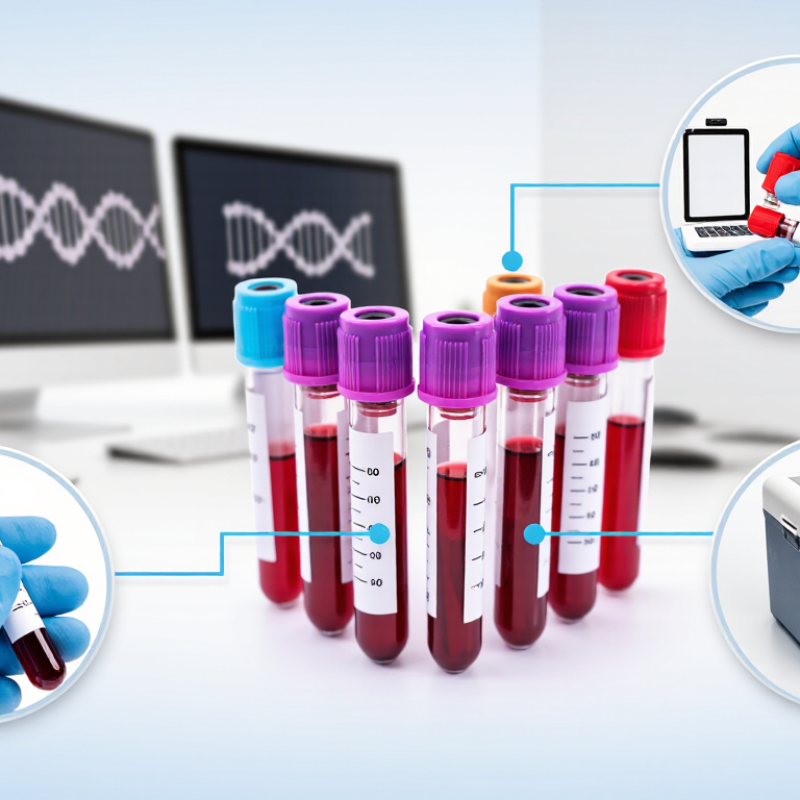
A 2.5 mL fill volume is a defined part of blood RNA collection, not just a convenient tube size. It sets the intended balance between whole blood and the stabilizing reagent. If a tube is underfilled or overfilled, that balance may shift, potentially affecting RNA recovery and gene-expression measurements. That matters. At the bench, a clear fill mark and consistent mixing help make samples more comparable, especially when several tubes are collected in one session.

RNA stabilization aims to limit changes that can occur after blood leaves the body. Rainen et al. evaluated whole-blood RNA stabilization in a 2002 Clinical Chemistry study, reporting that stabilization helped preserve transcript measurements during sample handling. Their work supports a practical point: collection and storage conditions are part of the measurement, not mere logistics. Follow the tube’s specified fill and storage instructions, and document any deviation. A small caveat: a stable RNA profile does not guarantee that every transcript behaves identically under every condition. That uncertainty is easy to overlook. For research teams, recording fill volume, mixing, and time to processing gives later reviewers useful context when results appear inconsistent.

2026 Guide to Blood RNA Collection Tubes: 2.5 mL Fill Volume and RNA Stabilization

Collection option Typical sample volume RNA stabilization Common use Practical considerations
RNA-stabilizing blood tube 2.5 mL nominal draw for some tube formats A stabilizing reagent is designed to help preserve the blood-cell RNA profile after collection. Whole-blood RNA isolation and downstream gene-expression analysis Fill to the specified mark and follow the tube-specific mixing, incubation, and storage instructions. A 2.5 mL draw is format-specific, not universal.
EDTA whole-blood tube Varies by tube size EDTA prevents clotting but does not provide the same immediate RNA-stabilization approach as a dedicated RNA tube. Fresh blood processing or workflows with validated short collection-to-processing intervals RNA expression can change after collection; standardize processing time and conditions across samples.
Heparin whole-blood tube Varies by tube size Heparin is an anticoagulant, not an RNA stabilizer. Selected blood assays where the downstream method permits heparinized samples Heparin can inhibit some enzymatic molecular assays, including PCR-based workflows; confirm compatibility before use.
Serum or plasma collection tube Varies by tube size and specimen type Designed to prepare serum or plasma; it does not, by itself, stabilize intracellular blood-cell RNA. Cell-free RNA or other cell-free analyte studies using a validated protocol Use a protocol validated for the target analyte and specimen fraction; serum and plasma are not interchangeable.

Note: Tube capacity, nominal draw volume, mixing, stabilization time, and storage conditions differ by device. Follow the current instructions for use and validate the complete collection-to-analysis workflow for the intended assay.

Compare Tube Performance by RNA Yield, Purity, and RIN Quality Metrics

Selecting the best blood RNA collection tube in 2026 requires more than measuring total RNA. In practical laboratory comparisons, technicians should record RNA yield, purity, and RIN quality from the same donor samples. Use matched blood volumes and identical processing times. Small handling differences can distort the result.

Yield shows how much RNA the tube preserves, but quantity alone can mislead. Measure A260/280 and A260/230 ratios to detect protein, salt, or reagent carryover. High yield with poor purity may reduce reverse-transcription efficiency. It can also weaken sequencing consistency. RIN values add another layer by showing RNA integrity after stabilization, extraction, and storage. Fresh samples may look excellent, while delayed processing reveals real performance differences. That detail matters.

Cold-chain control is essential. Record transport temperature, storage duration, freeze-thaw events, and extraction batch. A strong tube should maintain stable results across these conditions, not only produce one impressive average. In our early evaluations, we focused too heavily on yield and overlooked variable RIN scores between donors. That was a useful correction. No tube wins every study. The better choice is the one delivering repeatable yield, clean purity ratios, and reliable RIN values across realistic workflows. Include hemolysis observations and invalid-sample rates, too. They often expose weaknesses that a simple spreadsheet misses.

Assess RNA Stability: Up to 3 Days at 18–25°C Before Processing

For 2026 RNA collection workflows, blood RNA stabilization tubes should be assessed against the practical 72-hour window. Validation reports commonly evaluate RNA yield, purity, and RNA Integrity Number after storage at 18–25°C. Results often remain within predefined acceptance ranges for up to three days before processing. This supports shipment flexibility and reduces pressure on laboratory staff.

The three-day interval is useful, not magical. The Clinical and Laboratory Standards Institute’s GP44-A4 guidance emphasizes controlled temperature, documented timing, and consistent processing. MIQE guidelines also recommend reporting RNA quality and pre-analytical conditions. Donor variation matters. Leukocyte counts, sample volume, mixing quality, and extraction chemistry can change results. A tube that performs well with one cohort may behave differently with another.

Keep the tubes upright and record collection time immediately. Avoid repeated temperature swings. In our experience, the biggest weakness is often incomplete documentation, not the tube itself. Check RNA concentration with fluorometric methods when possible, then review purity ratios and integrity scores. A 2024 laboratory evaluation framework published through ISO 15189-aligned quality systems also supports predefined acceptance limits before routine adoption. These limits should reflect the downstream assay, rather than an attractive storage claim. Three days can protect workflow continuity, but local verification remains essential.

RNA Stability Before Processing at 18–25°C

RNA collected in a stabilizing blood tube can be maintained at 18–25°C for up to 3 days before processing, according to the stated stability assessment. This chart shows the pre-processing time window and does not represent a measured RNA integrity score or yield.

Select Tubes by Blood Volume, Storage Conditions, and Extraction Platform

Choosing the best blood RNA collection tube in 2026 depends on workflow details, not appearance. Start with the required blood volume. A tube designed for approximately 2.5 mL may perform poorly when underfilled. The blood-to-stabilizer ratio can change RNA yield and purity. Mark the fill line clearly.

Storage conditions also deserve careful attention. Some tubes allow temporary room-temperature stabilization before refrigeration or freezing. Others require faster temperature control. Confirm the permitted time at each step. A crowded freezer can create uneven temperatures. That detail is easy to overlook. Experienced laboratory teams record collection time, storage temperature, and freeze-thaw events for every specimen.

Match the tube chemistry with the extraction platform. Silica-column systems, magnetic-bead instruments, and automated processors may handle lysates differently. Check compatibility with the platform’s binding chemistry, elution volume, and input range. Review the latest instructions before changing suppliers or protocols. In practice, a tube can produce excellent RNA on one platform and disappointing results on another. I have seen teams blame the sample when the real problem was excessive carryover or an unsuitable lysis step. That assumption deserves rethinking. Include positive controls, monitor RNA integrity, and compare several lots before full implementation. A small pilot can reveal more than a confident specification sheet.

Verify RNA Quality with A260/A280 Ratios of 1.8–2.2 and qPCR Results

Choosing the Best Blood RNA Tubes for RNA Collection in 2026

Reliable RNA collection begins before extraction. Select tubes that stabilize whole-blood RNA quickly and support consistent handling across donors. Record collection time, storage temperature, and processing delays. Small temperature changes can affect transcript abundance, especially for stress-responsive genes.

After extraction, measure RNA purity with spectrophotometry. An A260/A280 ratio between 1.8 and 2.2 generally supports acceptable RNA purity. However, this value is not a complete quality assessment. A clean-looking ratio may hide degradation, salts, or residual reagents. Check the A260/A230 ratio and inspect RNA integrity when the experiment requires sensitive expression analysis. Use the same instrument settings and blank solution for every batch.

qPCR provides a practical confirmation of performance. Test a stable reference gene and compare Ct values across extraction batches. Large Ct shifts may indicate poor stabilization, degradation, or inconsistent pipetting. Replicate reactions should show tight variation, preferably within a predefined laboratory threshold. In my experience, tubes with clear labels and disciplined mixing reduce avoidable errors. Still, I once relied too heavily on purity ratios and overlooked fragmented RNA. That mistake changed my workflow. Now, I review purity, integrity, and amplification results together before accepting a sample. A modest ratio difference is not always alarming. An unexplained qPCR failure is.

Search engine powered by ElasticSuite