
2026 Best Light Therapy Devices for Effective Skin Care?

Light Therapy has gained popularity for skin care. This innovative treatment uses specific wavelengths of light to improve skin health. Many users report clearer skin and reduced signs of aging.

However, not all light therapy devices are equal. Some may not deliver the promised results. It's crucial to choose the right device based on skin type and condition. The effectiveness can vary widely among products.

In this guide, we explore the 2026 best light therapy devices. We'll focus on trusted brands and scientific backing. This information aims to empower your decision-making process. Light therapy could be the solution you've been looking for, so let's delve deeper.
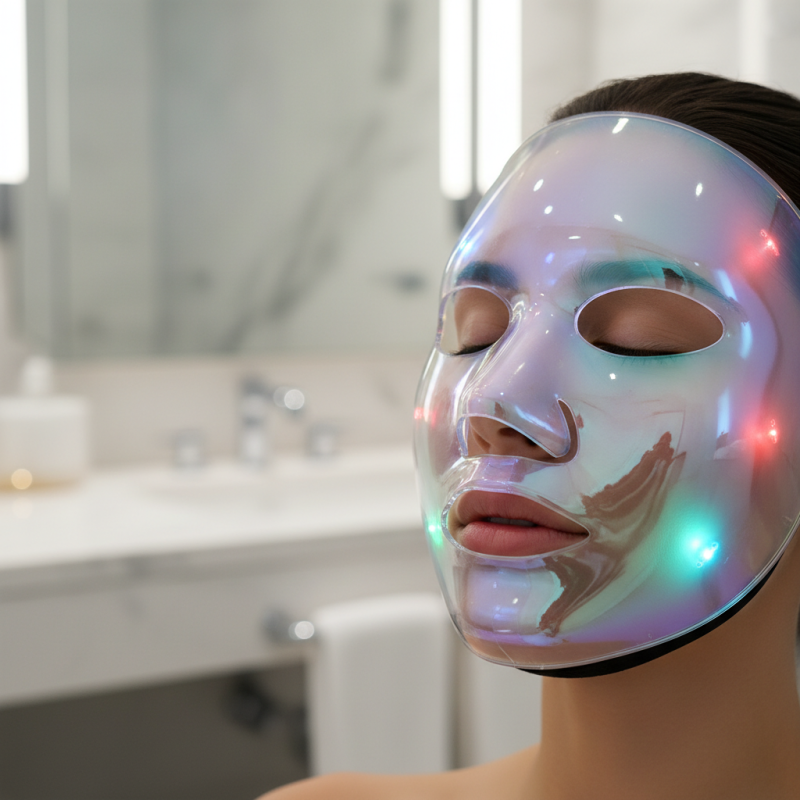
2026 Best Light Therapy Devices for Effective Skin Care?

2026 Light Therapy Overview: Mechanisms and Benefits for Skin Care

Light therapy utilizes specific wavelengths of light to improve skin health. This method promotes healing and rejuvenation. It works by stimulating cellular functions and increasing collagen production. Users often report a reduction in fine lines and improved skin tone. These benefits are linked to the biological response triggered by light exposure.

The mechanisms behind light therapy include photobiomodulation. It involves the absorption of light by skin cells. This energy boost helps repair damaged tissues. Red light and blue light are commonly used in these devices. Red light penetrates deeper, aiding in anti-aging benefits. Blue light targets acne-causing bacteria, offering a dual advantage.

Though light therapy shows promise, results may vary. Skin types react differently to light wavelengths. Some may experience redness or sensitivity after treatment. Regular use is essential for optimal results. Users should tailor their approach based on personal experiences and observations. Tracking changes can help refine the process.

Types of Light Therapy Devices: Comparing LED, Laser, and Intense Pulsed Light

Light therapy devices have emerged as a popular option for skin care, offering various benefits. These devices use different types of light to target skin issues. LED, laser, and intense pulsed light (IPL) represent three key technologies in this field.

LED devices emit specific wavelengths to promote healing and collagen production. They are often used for acne, anti-aging, and skin rejuvenation. Many users find LED therapy gentle and effective. However, results can vary based on skin type and treatment frequency.

Laser therapy works by targeting deeper layers of skin. It is more intense and often requires professional handling. While effective for scars and fine lines, it can cause side effects like redness or irritation.

Lastly, IPL functions similarly, using broad-spectrum light. It targets pigmentation and vascular lesions. However, this method might not be suitable for all skin tones.

Reflecting on personal experiences with these treatments can be invaluable. Individuals may need to experiment to find what works best for their skin. Time, patience, and consistency play significant roles in achieving desired results.

Clinical Studies: Efficacy of Light Therapy in Treating Skin Conditions

Light therapy has gained considerable attention in recent years for its potential in treating various skin conditions. Clinical studies indicate that specific wavelengths of light can stimulate skin cells, enhance collagen production, and reduce inflammation. For instance, a review published in the Journal of Cosmetic Dermatology found that blue light therapy significantly reduced acne severity in 70% of participants after just two weeks of treatment.


In addition, red light therapy has shown efficacy in promoting wound healing and diminishing fine lines. Research highlights that individuals using red light devices reported a 30% improvement in skin texture within eight weeks. Despite these positive outcomes, not every device shows consistent results across diverse skin types. Some studies suggest that light therapy may not be equally effective for everyone, revealing a need for personalized approaches.


Moreover, side effects like skin irritations or temporary discoloration have been noted. A study from the American Academy of Dermatology pointed out that while most participants tolerate therapy well, a small number experienced discomfort. It emphasizes the importance of consulting dermatologists before starting any light therapy regime. Individual skin reactions can vary significantly, making professional guidance essential for achieving the best results.

Choosing the Right Light Therapy Device: Factors to Consider

Choosing the right light therapy device involves several factors. Start by understanding your skin type. Oily, dry, or sensitive skin may react differently to various light wavelengths. Research shows that blue light is effective for acne, while red light can enhance collagen production.

Next, consider the treatment area. Some devices target small spots, while others cover larger areas. If you have specific concerns, a more focused device might be ideal. Check for features like adjustable settings. This flexibility allows for personalized treatment, but not everyone finds it necessary.

Finally, think about your lifestyle. Some devices require daily use, which may not fit everyone’s schedule. User reviews can provide insight into real-life experiences. However, keep in mind that results may vary from person to person. Balance convenience and efficacy when selecting a device.

2026 Best Light Therapy Devices for Effective Skin Care

Device Type Light Type Wavelength (nm) Skin Concerns Addressed Duration of Use Price Range ($)
Handheld Device Red Light 630-660 Wrinkles, Fine Lines 10-20 minutes 50-150
LED Mask Blue & Red Light 405 (Blue) & 630 (Red) Acne, Anti-Aging 20-30 minutes 100-300
Light Panel Near-Infrared 800-900 Inflammation, Skin Tone 10-15 minutes 200-500
Esthetician Device Dual Light (Red & Blue) 405 (Blue) & 630 (Red) Acne, Deep Wrinkles 30-60 minutes 400-800

Safety and Side Effects: Understanding Risks of Light Therapy for Skin

Light therapy has gained popularity as a non-invasive treatment for various skin concerns. While many praise its benefits, understanding the safety and potential side effects is crucial. Along with effectiveness, users should remain aware of the risks involved with light therapy devices.

Common side effects may include redness, swelling, and temporary discomfort. Some users report exacerbation of existing skin conditions. It's essential to consult a dermatologist before starting any therapy. Not everyone responds positively to these treatments. Individual skin types should dictate the approach taken.

Additionally, prolonged exposure to certain wavelengths can lead to skin sensitivity. There may also be concerns regarding light-induced photoaging. Individuals should carry out thorough research before committing to a light therapy routine. Risks vary based on device type and wavelength used. Proceed with caution and monitor any adverse reactions closely. Awareness and preparation can help enhance the experience positively.

Article Source:

Search engine powered by ElasticSuite