
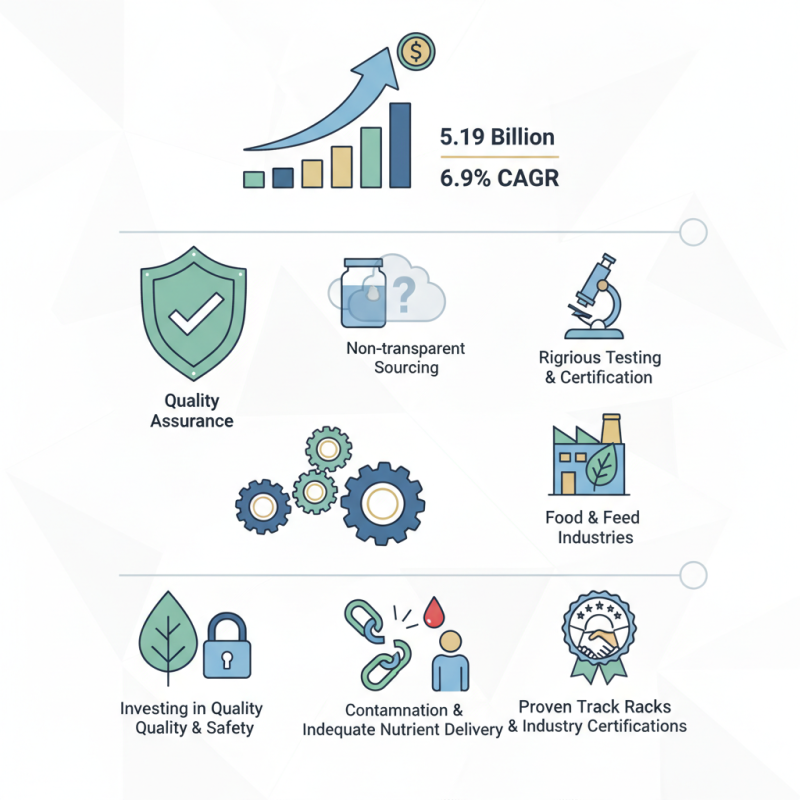
Choosing the right Vitamin Premix Suppliers can significantly impact product quality and safety. The global vitamin premix market was valued at approximately $5.19 billion in 2020 and is projected to grow at a CAGR of 6.9% through 2027. This growth indicates a rising demand for high-quality premixes in various industries, including food and feed.
Quality assurance is vital. Many suppliers are not transparent about sourcing and formulation methods. This lack of transparency can lead to subpar products that may affect consumer health and brand reputation. The best suppliers undergo rigorous testing and certification, ensuring compliance with food safety standards.
Selecting reliable Vitamin Premix Suppliers means investing in quality and safety. Poor choices can lead to issues like contamination or inadequate nutrient delivery. Therefore, understanding supplier qualifications and their commitment to quality is essential. Aim for suppliers with proven track records and industry certifications to ensure you are making well-informed decisions for your products.
Vitamin premixes play a crucial role in enhancing the nutritional quality of food products. These blends are specifically formulated to provide essential vitamins and minerals, addressing nutrient gaps in diets worldwide. According to the Global Nutrition Report 2021, over 2 billion people suffer from micronutrient deficiencies. This statistic highlights the pressing need for effective nutritional solutions, including vitamin premixes.
The right vitamin premix can significantly impact health outcomes. A study from the International Journal of Vitamin and Nutrition Research indicates that adequate vitamin intake can improve immune function and increase energy levels. However, the quality of these premixes varies. Relying on reputable suppliers ensures that the ingredients meet strict industry standards. Transparency in sourcing is essential for maintaining product efficacy and safety.
Selecting the best suppliers is crucial for formulators. They should consider suppliers with solid track records and positive reviews. After all, not all vitamin premixes are created equal. Some may contain contaminants or insufficient active ingredients. This variability can affect overall health, especially for vulnerable populations like children and the elderly. Thus, scrutiny in supplier selection can lead to better health outcomes through proper nutrition.
| Nutrient | Recommended Daily Value (DV) | Benefits | Sources |
|---|---|---|---|
| Vitamin A | 900 mcg | Supports vision, immune function, and skin health. | Carrots, sweet potatoes, spinach. |
| Vitamin C | 90 mg | Antioxidant, helps in collagen synthesis, boosts immunity. | Citrus fruits, bell peppers, strawberries. |
| Vitamin D | 20 mcg | Promotes calcium absorption for healthy bones. | Fatty fish, fortified dairy products, sunlight. |
| Vitamin E | 15 mg | Antioxidant that protects cells from damage. | Nuts, seeds, spinach. |
| Vitamin K | 120 mcg | Essential for blood clotting and bone health. | Leafy greens, broccoli, Brussels sprouts. |
Choosing the right vitamin premix supplier is crucial for your business. You need to assess several key factors. Begin by evaluating the supplier's experience. Those with a long track record offer reliability. Their established methods often ensure quality and consistency over time. You should also consider their expertise in specific formulations. This knowledge can enhance the nutritional profile of your products.
Another point to reflect on is the supplier's quality control processes. Robust standards can prevent inconsistencies. Ask about their testing methods and certifications. A reliable supplier should also be willing to share this information openly. Transparency builds trust. Additionally, consider their customer support. Good communication often leads to smoother transactions. A difficult supplier can complicate the entire process.
Price is an essential factor, but it should not be the only focus. Sometimes low costs indicate lower quality. You may face issues later that can disrupt your operations. It’s essential to weigh the long-term benefits against immediate savings. Finding a balance can guide better decision-making. Remember, the goal is to select a supplier that meets your specific needs while providing reliable, quality products.
When choosing vitamin premix suppliers, evaluating quality is crucial. Industry reports show that 80% of nutritional deficiencies stem from poor formulation. Reliable suppliers often adhere to stringent quality standards. They use advanced techniques to ensure consistency in potency.
Quality assurance begins with sourcing raw materials. Suppliers must provide detailed certificates of analysis for all ingredients. Transparency fosters trust and ensures product safety. The Global Organization for EPA and DHA Omega-3s highlights that products should meet regulated safety levels. Buyers must check for third-party testing to verify claims.
Tips: Always ask for product samples before committing. This helps in assessing taste and solubility. Pay attention to the packaging. Quality packaging can affect product stability over time. Remember, not all suppliers prioritize transparency. Question them about their sourcing and manufacturing practices to gauge reliability.
Partnering with reputable vitamin premix suppliers offers numerous advantages that can significantly enhance product quality. Research indicates that up to 70% of manufacturers attribute product success to the quality of their raw materials. By choosing suppliers with a strong industry reputation, you gain access to premium ingredients that have undergone rigorous testing for potency and purity.
Reliable suppliers often provide transparency about their processes, allowing businesses to make informed decisions. According to a survey from the Global Nutrition Industry, 65% of companies feel more confident in their products when sourcing from certified suppliers. This trust not only boosts product credibility but also leads to higher customer satisfaction. However, navigating the landscape of suppliers can be daunting. Not all suppliers meet the same stringent standards, which highlights the importance of vetting potential partners carefully.
Furthermore, working with established suppliers can result in improved formulation capabilities. They usually have access to the latest research and development insights. However, it's essential to reflect on your own needs and standards. Sometimes, smaller suppliers can offer unique benefits through personalized service or specialized ingredients. Balancing these considerations is key to making the best choice for your business.
This bar chart illustrates the quality ratings of various vitamin premix suppliers based on a scale of 1 to 10. Partnering with reputable suppliers can ensure high standards in product quality, which is crucial for businesses relying on these essential nutrients.
When selecting a vitamin premix supplier, it's essential to identify your unique needs. Each business may require different vitamin formulations based on their target audience. Consider the age group and health goals of your customers. This tailored approach ensures that the vitamin premixes you choose align with their specific requirements.
Tip: Create a checklist of your needs. Consider factors like nutritional content, shelf life, and packaging. This can streamline your selection process and save time.
Also, assess the supplier’s expertise. A knowledgeable partner can guide you in formulating high-quality products. Check their certifications and industry experience. This will help you determine their reliability and ability to meet your standards.
Tip: Look for suppliers with positive reviews and testimonials. Engage with them directly to discuss your needs. This interaction can reveal insights into their capabilities and commitment to quality.
Understanding your specific needs will lead to better decisions and stronger partnerships with vitamin premix suppliers. Don’t rush; take your time to reflect on what you truly require.