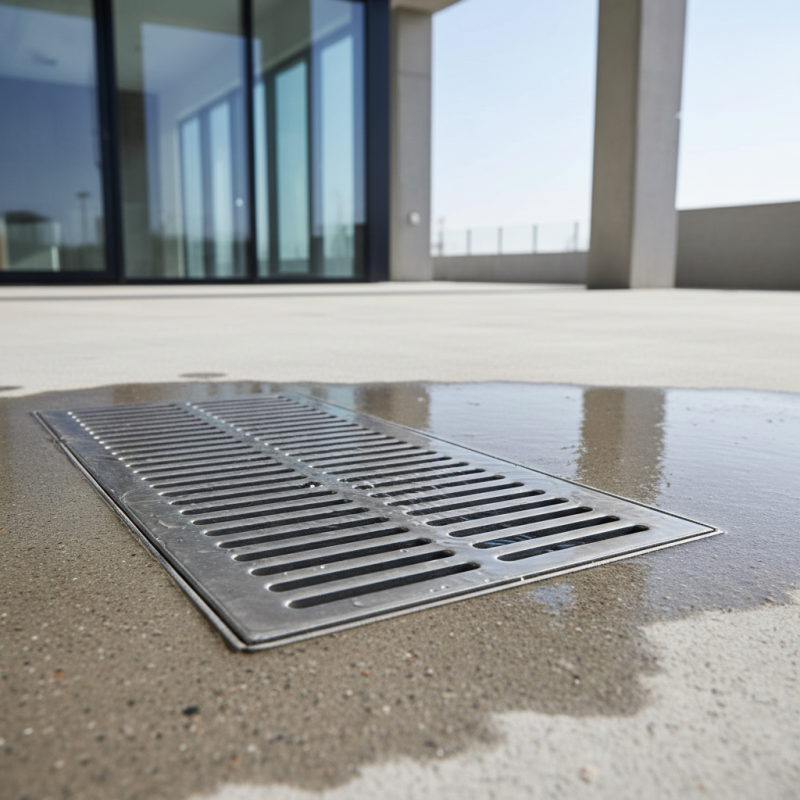
Why Choose Stainless Steel Drain Grate for Your Projects?
Choosing the right materials for drainage systems is crucial in construction. Among these, the "Stainless Steel Drain Grate" stands out for its durability and efficiency. According to a report by the International Stainless Steel Forum, the global market for stainless steel usage is projected to grow steadily, driven by its corrosion resistance and strength. One of the key advantages of stainless steel is its longevity, which can exceed 50 years with proper maintenance.
Stainless steel grates are preferred in many applications, from residential to commercial projects. Their ability to handle heavy loads while preventing clogging makes them ideal for high-traffic areas. However, one must consider the initial cost. While stainless steel may have a higher upfront expense, its long-term benefits often outweigh this factor. Studies show that investing in durable materials can reduce maintenance costs by up to 30% over time.
Yet, some projects may not prioritize this material due to budget constraints. This is a valid concern, but overlooking the benefits of stainless steel drainage can lead to more significant expenses in the future. Effective drainage solutions are essential for preventing water damage and maintaining structural integrity. Hence, careful consideration of materials like the Stainless Steel Drain Grate should be at the forefront of any project planning.
Benefits of Stainless Steel Drain Grates in Construction Projects
Stainless steel drain grates offer significant benefits for construction projects. Their durability is one of their strongest features. Unlike plastic or other materials, stainless steel resists corrosion and withstands heavy loads. This makes them ideal for high-traffic areas such as parking lots and warehouses. The longevity of stainless steel reduces maintenance costs over time.
Another advantage is their aesthetic appeal. Stainless steel complements many design styles, whether modern or industrial. It can enhance the overall look of any space. Additionally, their surface is easy to clean and maintain. This contributes to hygiene, especially in areas prone to spills or standing water.
Tips: Choose drain grates that match the specific requirements of your project. Consider factors like the size of the drain and the expected water flow. When installing, ensure they are properly secured to avoid future issues. Regular inspections can help identify wear and prevent costly repairs.
Durability and Longevity of Stainless Steel Material
Stainless steel drain grates stand out for their durability and longevity. Many projects benefit from this material's inherent strength. Unlike plastic or cast iron, stainless steel resists rust and corrosion. This means longer service life, even in harsh environments. Such resilience is particularly important in areas exposed to heavy foot traffic or extreme weather.
Choosing stainless steel also reflects a commitment to sustainability. Its recyclability adds value, reducing waste. Some may wonder if stainless steel is more expensive upfront. While this is true, the long-term savings on replacements and maintenance can offset the initial cost.
However, it's essential to consider the installation process. Stainless steel requires precise fitting to ensure effective drainage. Improper installation can lead to pooling or damage. This can frustrate even experienced contractors. Despite these challenges, the benefits of durability often outweigh potential hurdles.
Durability Comparison of Drain Grate Materials
Versatility of Design and Application Options
When considering materials for drainage solutions, stainless steel drain grates stand out due to their versatility. They can integrate seamlessly into various environments, from residential gardens to commercial properties. The sleek appearance of stainless steel enhances aesthetics while providing functionality. Different finishes are available, allowing customization to match any architectural style. This adaptability makes them suitable for an array of projects.
Applications range from public walkways to private balconies. Their durability ensures a long lifespan, reducing the need for frequent replacements. However, improper installation can lead to issues like water pooling or damage. It’s essential to assess the specific requirements of your site before selecting a drain grate. Choosing the right size and design factors into overall performance. Failing to consider these elements can result in costly repairs down the line.
Stainless steel drain grates also offer options for different load capacities. Some designs accommodate heavy traffic, while others are best for lighter use. Understanding your project’s demands will lead to better decisions. Balancing aesthetics with practicality ensures both visual appeal and efficient drainage in your projects.
Maintenance Considerations for Stainless Steel Drain Grates
Stainless steel drain grates are often favored for their durability and aesthetics. However, maintenance is a critical aspect that can't be overlooked. Specific studies indicate that stainless steel can corrode if not properly maintained, impacting both appearance and functionality. Regular inspection is essential. Over time, sediment can accumulate, leading to blocked drains, which in turn can cause unwanted odors or even flooding.
Cleaning stainless steel drain grates requires a delicate touch. While they resist rust, they are not immune to staining from hard water or harsh chemicals. A study by the National Sanitation Foundation suggests using mild detergents and soft brushes to avoid scratching the surface. Routine checks can proactively identify any early signs of wear or corrosion.
In high-traffic areas, more frequent cleaning may be necessary. Though stainless steel is more resilient than other materials, neglecting it can lead to costly repairs down the line. Awareness of environmental factors like humidity or exposure to chemicals in a commercial setting can guide the maintenance schedule. Balancing between maintenance and durability often presents challenges that need careful consideration.
Why Choose Stainless Steel Drain Grate for Your Projects? - Maintenance Considerations for Stainless Steel Drain Grates
Dimension
Description
Maintenance Tips
Advantages
Material
Stainless steel is corrosion-resistant, ideal for wet environments.
Clean regularly to prevent build-up of debris.
Durable and long-lasting solution for drainage needs.
Weight
Stainless steel grates are lightweight compared to cast iron.
Inspect for rust or damage periodically.
Easier installation and handling during projects.
Aesthetic
Sleek and modern appearance, enhances any space.
Use non-abrasive cleaners to maintain shine.
Adds visual appeal to both indoor and outdoor settings.
Drainage Efficiency
Designed for optimal water flow and drainage.
Regular clearing of leaves and obstructions.
Reduces flooding risk and water pooling.
Safety
Non-slip surface can be manufactured for safety.
Check for sharp edges; smooth as needed.
Enhances safety in areas with high foot traffic.
Cost-Effectiveness of Stainless Steel vs. Other Materials
Stainless steel drain grates offer significant cost-effectiveness compared to other materials such as plastic or cast iron. A recent industry report indicates that stainless steel has a longer lifespan, typically lasting over 30 years with minimal maintenance. In contrast, plastic grates often degrade after 5-10 years, leading to higher replacement costs over time. This durability makes stainless steel a more economical choice in the long run.
Moreover, stainless steel’s resistance to corrosion is crucial. According to research, areas exposed to harsh environmental conditions can lead to rapid deterioration of traditional materials. This often results in increased maintenance and repair costs. While the initial installation cost might be higher for stainless steel, it quickly pays off due to lower total lifecycle costs.
In some cases, project managers may overlook the initial expenditure when selecting materials. However, the total cost, including repairs and replacements, paints a different picture. Industry experts emphasize the importance of evaluating long-term value rather than short-term savings. It prompts a rethinking of choices made under budget constraints.