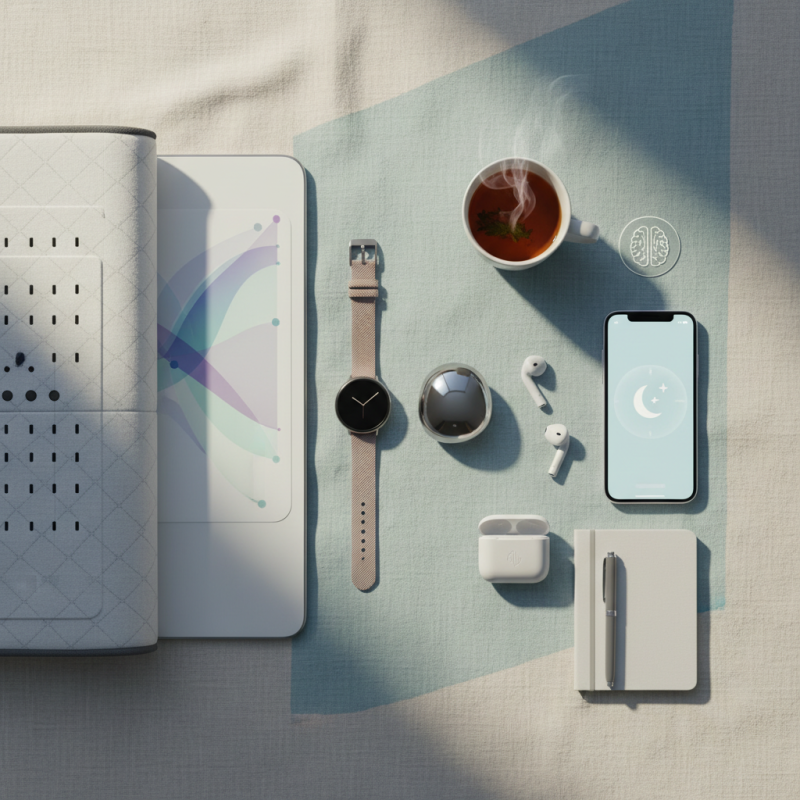
How to Choose the Best Sleep Monitoring Technology for You?
In today's fast-paced world, getting adequate sleep has become a major challenge for many. Sleep Monitoring Technology has emerged as a solution to help individuals track their sleep patterns and improve their rest. However, navigating through the myriad options available can be overwhelming. Different technologies offer varying features, and it is essential to find what works best for individual needs.
With a growing interest in health and wellness, many people seek effective ways to monitor their sleep. Wearable devices, smart mattresses, and even sleep apps are popular choices. Each option has its strengths and limitations. You might appreciate the convenience of wearable devices, but perhaps their accuracy could be better. Exploring these technologies requires careful consideration of personal preferences and lifestyle.
Finding the right Sleep Monitoring Technology isn't just about features. It involves understanding how these tools align with your sleep goals. Some users may find certain devices more reliable than others. Reflecting on what you truly need can lead to better sleep health. Remember, the goal is to enhance your well-being, not to add more stress to your life.
Understanding Sleep Stages: Importance for Sleep Monitoring Technology
Understanding sleep stages is crucial for effective sleep monitoring. Sleep is divided into various stages: light sleep, deep sleep, and REM sleep. Each stage serves a different purpose for our overall health. According to the American Sleep Association, deep sleep is vital for physical recovery, while REM sleep supports emotional and cognitive functions.
Precise tracking of these stages helps individuals identify patterns in their sleep. Studies indicate that poor sleep quality can increase the risk of chronic illnesses, such as obesity and diabetes. A report by the National Institute of Health shows that adults need about 7-9 hours of sleep per night, yet nearly one-third report insufficient rest. Evaluating how much time you spend in each sleep stage can reveal significant insights into your well-being.
Selecting the right sleep monitoring technology hinges on understanding your sleep patterns. Some technologies provide detailed reports on sleep stages, while others offer basic tracking. Preferences may vary; some might prioritize accuracy, while others simply need a general overview. It is essential to choose a tool that aligns with your sleep goals. Balancing ambitions with realistic expectations plays a critical role in your sleep journey.
Key Features to Consider When Choosing Sleep Tracking Devices
When selecting sleep tracking devices, certain key features play a crucial role in determining their effectiveness. Accuracy is paramount. Many studies show that devices with advanced sensors can provide data with up to 90% accuracy. However, some wearables may falter in tracking deep sleep accurately. Users might need to test different options to find what suits them best.
Comfort is another vital aspect. A sleep tracker should be lightweight and not disruptive during sleep. Bulky devices may cause discomfort, affecting sleep quality. For instance, statistics reveal that nearly 25% of users abandon their sleep trackers due to discomfort.
Integration with other health apps enhances the sleep monitoring experience. This feature allows users to visualize their data better. Moreover, sleep studies indicate that comprehensive data analysis improves understanding of sleep patterns and leads to better sleep hygiene practices. So, while choosing, consider whether the device syncs well with other health metrics.
How to Choose the Best Sleep Monitoring Technology for You? - Key Features to Consider When Choosing Sleep Tracking Devices
Feature
Description
Importance Rating
Heart Rate Monitoring
Tracks your heart rate during sleep, providing insights into your overall health.
High
Sleep Cycle Analysis
Analyzes different stages of sleep (light, deep, REM) to assess sleep quality.
High
Mobile App Integration
Allows you to sync and analyze data easily on your smartphone.
Medium
Smart Alarm
Wakes you during the lightest sleep stage for a more refreshed morning.
High
Comfort and Wearability
Ensures the device is comfortable to wear throughout the night.
High
Battery Life
Indicates how long the device can be used on a single charge.
Medium
Price
The overall cost of the device, which may influence purchasing decisions.
High
Comparing Wearable vs. Non-Wearable Sleep Monitors
Choosing the right sleep monitoring technology can be challenging. Wearable devices like smartwatches are popular. They track movement, heart rate, and even sleep stages. A report by the Sleep Research Society states that these devices can provide personalized insights. However, their accuracy can vary. Some users report discrepancies compared to clinical sleep studies.
Non-wearable sleep monitors, such as under-mattress sensors, offer a different advantage. They can track sleep patterns without any discomfort. A study published in the Journal of Clinical Sleep Medicine highlights their effectiveness in monitoring sleep quality. However, many non-wearable devices may lack in-depth data on rest phases. Users might find them less detailed than wearables.
Some find the non-intrusive nature appealing, while others prefer metrics from wearables. The choice may also depend on lifestyle. Monitoring sleep should support individual needs, whether for health or lifestyle improvement. Ultimately, the right option must resonate with your sleep habits and comfort preferences.
Comparison of Wearable vs. Non-Wearable Sleep Monitors
Evaluating Accuracy: Industry Stats on Sleep Monitoring Technology
When selecting sleep monitoring technology, accuracy is crucial. Studies show that up to 30% of sleep trackers can misinterpret sleep stages. This statistic emphasizes the need for thorough evaluation. Reports indicate that many consumer devices struggle with REM sleep detection. In fact, inaccuracies can range from 25% to 50%, depending on the technology used.
Some studies suggest that polysomnography remains the gold standard for sleep analysis. However, it is costly and not always accessible. Sleep tracker technologies often rely on heart rate variability and movement patterns. Yet, these methods may not capture the full sleep experience.
When assessing a device, check its validation studies. Look for peer-reviewed research. Some trackers claim over 90% accuracy, but many fail to meet this threshold in real-world testing. Consider the user experience; if a device is uncomfortable, it can impact sleep quality. Explore reviews and expert opinions to make an informed choice. An ideal device should balance ease of use with reliable data.
Budget vs. Quality: Finding the Right Sleep Tracker for Your Needs
Choosing the right sleep tracker involves understanding the balance between budget and quality. A recent study from the National Sleep Foundation indicates that over 70 million Americans suffer from sleep disorders. This statistic underscores the importance of investing in effective sleep monitoring technology. A high-quality sleep tracker can provide insights into your sleep patterns, heart rate, and even environmental factors impacting your rest. However, many budget options lack these detailed metrics.
Budget sleep trackers often offer basic functionality, such as step counting or sleep duration. While they are affordable, they might not provide comprehensive data needed for in-depth analysis. For example, cheaper models may average sleep time but miss out on crucial aspects like REM cycles. Relying solely on these models may leave users uninformed about their actual sleep quality.
On the other hand, premium options may feature advanced sensors and deep learning algorithms, enhancing precision. However, they come with higher prices. A 2021 report from MarketsandMarkets estimated that the sleep technology market will grow to $76.7 billion by 2025. As technology advances, consumers should weigh the importance of accurate data against their budget constraints. Often, reflecting on personal needs can lead to a more informed choice.