Monoclonal antibodies play a critical role in modern medicine. These lab-made molecules are designed to target specific antigens. They work by binding to harmful cells or proteins. This targeted approach helps in the treatment of various diseases.
Many diseases, such as cancer and autoimmune disorders, benefit from monoclonal antibodies. For cancer, they can help the immune system identify and destroy cancer cells. This specificity often leads to fewer side effects compared to traditional therapies. However, their development can be complex and costly.
While monoclonal antibodies offer hope, challenges remain. Not every patient responds as expected. Some may experience adverse effects. Ongoing research is needed to improve efficacy and accessibility. Understanding monoclonal therapy is essential for future advancements in disease treatment.

Monoclonal antibodies have revolutionized modern medicine. They target specific cells, making treatments more effective. This precision helps in fighting diseases like cancer and autoimmune disorders. Their ability to bind directly to antigens is key. This binding process can mark harmful cells for destruction by the immune system.
One significant advantage of monoclonal antibodies is their customization. Scientists can create them to match specific disease markers. This targeted approach minimizes side effects compared to traditional therapies. However, the production process is complex and costly. It requires advanced technology and rigorous testing.
Tips: Always consult healthcare providers about treatment options. Understanding the role of monoclonal antibodies can help in making informed decisions. Knowledge empowers patients, but it’s essential to remain realistic about expectations. New treatments are promising, yet challenges remain, and outcomes can vary.
Monoclonal antibodies have changed disease treatment. Their mechanism of action is crucial for understanding their effectiveness. These antibodies are designed to target specific proteins on the surface of cells. They can either mark cells for destruction or block harmful interactions. This selectivity is what makes them powerful tools in treating diseases like cancer and autoimmune disorders.
Tips: When considering monoclonal antibodies, think about how they fit your medical needs. Speak with a healthcare provider to understand the benefits and risks. It's essential to stay informed and seek personalized care.
Despite their advantages, monoclonal antibodies are not perfect. Their production is complex and expensive. There are cases where they may not work for every patient. It's vital to acknowledge these challenges when discussing treatments. Ongoing research can lead to better solutions and more effective therapies.
Monoclonal antibodies are pivotal in cancer treatment. They target specific proteins on cancer cells. This leads to a more focused attack on tumors. For instance, some antibodies block signals that promote cancer growth. This method minimizes damage to healthy cells, a concern in traditional therapies.
These treatments also enhance the immune response. Monoclonal antibodies can mark cancer cells. This process makes them easy targets for immune cells. However, challenges remain. Not all patients respond well to these therapies. Variability in individual responses is noticeable. Some experience side effects that are hard to manage. Adjusting doses can be tricky and requires careful monitoring.
The landscape is evolving. Researchers are exploring combinations with other treatments. Challenges in accessibility and cost persist. Not everyone can afford these advanced treatments. Ethical considerations are growing as well. The future promises progress, yet questions remain. How can we ensure equitable access? There’s much to reflect on in this evolving field.
| Application | Type of Cancer | Monoclonal Antibody | Mechanism of Action | FDA Approval Year |
|---|---|---|---|---|
| Targeted Therapy | Breast Cancer | Trastuzumab | Inhibits HER2 receptor | 1998 |
| Immunotherapy | Lymphoma | Rituximab | Targets CD20 on B cells | 1997 |
| Checkpoint Inhibition | Melanoma | Pembrolizumab | Inhibits PD-1 pathway | 2014 |
| Adjuvant Therapy | Non-Small Cell Lung Cancer | Nivolumab | Blocks the interaction with PD-L1 | 2015 |
| Combination Therapy | Colorectal Cancer | Cetuximab | Inhibits EGFR | 2004 |
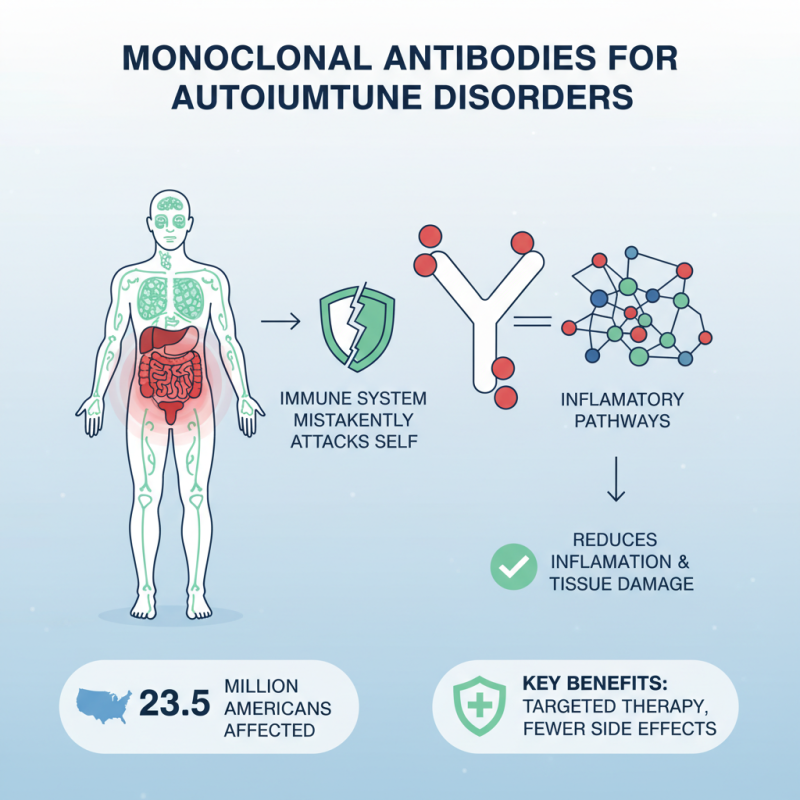
Monoclonal antibodies play a significant role in the treatment of autoimmune disorders. These disorders occur when the immune system mistakenly attacks the body's own tissues. Research shows that about 23.5 million people in the U.S. suffer from autoimmune diseases. Monoclonal antibodies target specific pathways in the immune system, helping to reduce inflammation and tissue damage.
For example, studies indicate that a particular class of monoclonal antibodies can reduce symptoms of rheumatoid arthritis by over 50%. This is crucial since many patients struggle with chronic pain and disability. Yet, responses vary among individuals. Some may experience side effects, or the treatment may not work effectively. The variability in response raises questions about precision in selecting therapies.
Moreover, continuous research is necessary to expand treatment options. Only a fraction of autoimmune conditions are effectively managed with existing monoclonal antibodies. Clinical trials are vital for discovering new candidates. The journey toward more effective treatments is ongoing, and there is much to learn. The potential of monoclonal antibodies remains enormous, but it requires careful and thoughtful exploration.
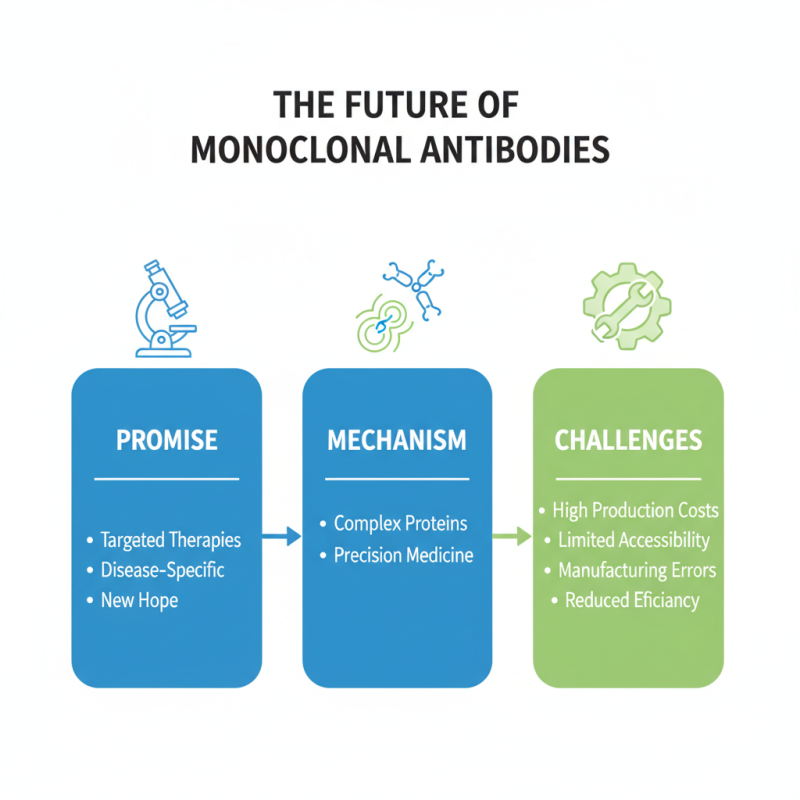
The future of monoclonal antibody development is filled with promise. These therapies target specific diseases, offering hope where few options exist. However, challenges abound. For instance, increasing production costs can limit accessibility. Manufacturing these complex proteins is not easy. Even small errors can affect their efficacy.
Research continues to progress, yet some issues remain unresolved. Scientists must address potential resistance. Sometimes, cancers or infections change, rendering treatments less effective. Moreover, regulatory hurdles may slow down the introduction of new therapies. Balancing innovation and safety is crucial but can be frustrating.
Another significant concern is patient variability. Not everyone responds the same way to monoclonal antibodies. Tailoring treatments to individual needs can be challenging. It requires advanced methods and technologies, which are still in development. The path forward is exciting, but it demands careful navigation of these obstacles.