
Orthodontic Adhesive Systems play a crucial role in modern orthodontics. These systems ensure that brackets securely bond to teeth during treatment. According to recent industry reports, approximately 90% of orthodontic treatments rely on these adhesives. Effective adhesion impacts treatment duration and patient comfort significantly.
Many orthodontists emphasize the need for high-quality adhesive systems. Yet, some issues persist, such as bond failures leading to treatment complications. Inadequate bonding can result from improper application or inadequate surface preparation. Factors affecting performance include moisture control and curing techniques.
Interestingly, while advancements continue, challenges remain. Testing reveals that some adhesives degrade over time, affecting long-term results. Orthodontists must regularly evaluate their adhesive systems. Staying informed about innovations is essential, as the right choice can enhance patient outcomes significantly. Emphasizing the importance of an effective Orthodontic Adhesive System helps promote better treatment experiences.
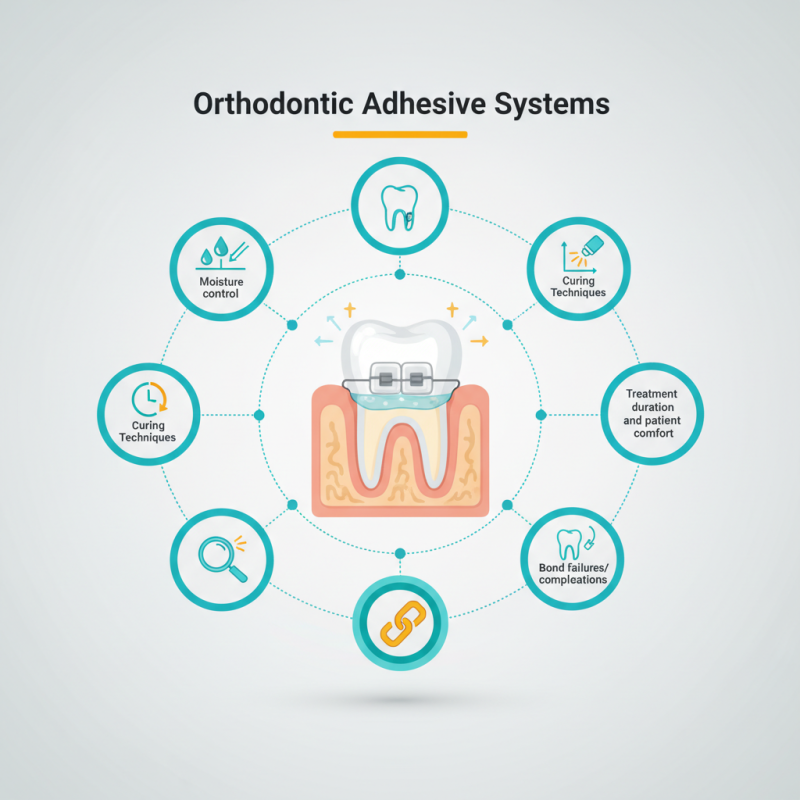
An orthodontic adhesive system is a critical component in modern dental practices. It is used to bond brackets to teeth in orthodontic treatments. This system typically includes a primer, adhesive, and a curing light. The primer prepares the tooth surface. It ensures the adhesive adheres properly.
The adhesive itself is a resin that provides a strong bond. It sets and hardens with the help of a curing light. This light activates the adhesive, causing it to harden quickly. Dentists must pay careful attention during this process. If not applied correctly, the bond may weaken over time.
Many practitioners face challenges in achieving perfect adhesion. Factors like moisture and contamination can affect the outcome. It’s easy to overlook small details. For instance, not cleaning the tooth surface properly can lead to failures. These challenges highlight the importance of meticulous work in orthodontic procedures. A reliable bond is essential for successful treatment and patient satisfaction.
This bar chart compares the adhesive strength of various orthodontic adhesive systems measured in megapascals (MPa). Higher values indicate stronger adhesive properties, critical for successful orthodontic treatment outcomes.
Orthodontic adhesive systems play a crucial role in the effectiveness of braces. These systems consist of several components that work together to bond brackets to teeth securely. At the core of these systems are adhesives, which come in different formulations. Commonly, these include light-cured resin-based adhesives that offer excellent bonding strength. According to the American Journal of Orthodontics, the bond strength of these adhesives is crucial for the performance of orthodontic treatment.
Another important aspect is the use of primers. Primers enhance adhesion by creating a better surface for the adhesive. Studies have shown that certain primers can improve bond strength by up to 30%. This is significant because a weak bond may lead to bracket debonding, affecting treatment time and outcomes.
While these adhesives are effective, not all options are perfect. Some formulations may lead to enamel demineralization if not applied correctly. The reality is that achieving a flawless bond remains a challenge. Orthodontists must balance the effectiveness and safety of these materials. Ongoing research aims to refine these systems and ensure that they provide better results, minimizing potential risks. Ultimately, understanding these components helps orthodontists make informed decisions during treatment.
Orthodontic adhesives play a crucial role in the success of braces treatment. These systems bond brackets to teeth, ensuring they remain in place throughout the orthodontic process. The science behind bonding lies in the interaction between the adhesive and enamel. A well-formed bond can last for years, but it isn’t always perfect. According to studies, approximately 20% of orthodontic brackets may fail due to bonding issues.
The adhesive typically consists of a resin, which is activated by light. This resin penetrates the enamel's microscopic pores, creating a strong bond. However, not all teeth have the same enamel structure. Variations can impact bonding effectiveness. Dentists must assess the patient’s dental condition to choose the right adhesive.
**Tips:** Proper enamel preparation enhances bond strength. Cleaning teeth thoroughly removes debris and increases the adhesive's effectiveness. Regular check-ups are essential. If a bracket comes loose, it’s crucial to address it promptly to avoid treatment delays. Monitoring the treatment progress is vital, as bonding failures can lead to unnecessary adjustments and frustrations.
Orthodontic adhesives play a crucial role in dental treatments. There are different types of adhesives, each designed for specific applications. For example, resin-based adhesives are common in bonding brackets to teeth. They offer excellent strength and durability. However, they can be less forgiving in terms of removal when treatment ends.
Another type is glass ionomer adhesive. This material is often chosen for its fluoride-releasing properties. While it is less robust than resin adhesives, it can be beneficial for patients at risk of cavities. The choice between these adhesives often involves trade-offs. A strong adhesive may cause more enamel damage upon removal, while a weaker bond might not hold brackets securely.
Temporary adhesives used in certain situations are worth mentioning too. They allow for easy repositioning. However, these can sometimes fail under pressure. Each adhesive type has its strengths and weaknesses. Finding the right balance can be challenging, but it's essential for successful orthodontic treatment. Selecting the best adhesive is often a reflective process, requiring careful consideration of each patient's unique needs.
Orthodontic adhesives play a crucial role in securing braces and other orthodontic devices. They adhere brackets to teeth, ensuring proper alignment throughout treatment. However, it's vital that these adhesives comply with industry standards. Regulations are in place to maintain safety and effectiveness in dental practices.
Different organizations oversee the use of orthodontic adhesives. They establish guidelines for materials used. For example, the mechanical properties, biocompatibility, and curing times must meet specific criteria. Practitioners must be diligent in selecting products that meet these expectations. A failure to adhere to these regulations can lead to unforeseen complications, such as bracket failure.
Moreover, practitioners need regular training on new adhesive technologies. Innovation in materials can lead to better treatment outcomes. However, many may resist change due to comfort with existing methods. This reluctance can hinder progress and patient satisfaction. Regularly reviewing industry guidelines and updating techniques is essential for continuing success in orthodontics.