
Cnc Machining has become a pivotal component in modern manufacturing. It offers precision and efficiency, attracting global buyers. In China, numerous companies specialize in CNC machining. These companies provide diverse solutions across industries. Their expertise varies, and not all command the same level of trust.
Selecting the right CNC machining partner is essential. Quality, cost, and delivery are crucial factors for buyers. With many options available, it’s easy to feel overwhelmed. Buyers often grapple with identifying the best companies. Some may claim superior capabilities, but not all deliver as promised.
Understanding what differentiates top CNC machining companies is important. Experience and reliability play a significant role. Many firms tout advanced technology, but its practical application varies. Thus, thorough research is necessary. Evaluating reviews and past projects can reveal deeper insights. This process fosters informed decision-making, ensuring the best outcomes for buyers.
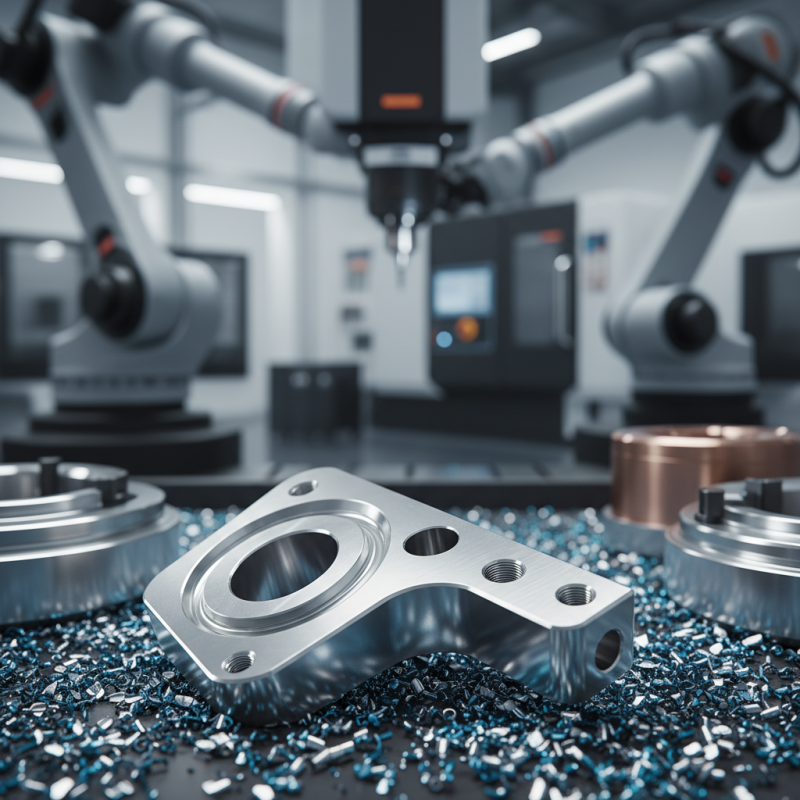
The CNC machining industry in China has seen significant growth in recent years. With advancements in technology and an increase in demand, many companies have emerged. These companies cater to various sectors, including aerospace, automotive, and electronics. Their capabilities range from high-precision components to large-scale production runs, showcasing their versatility.
Quality control is essential in the industry. While many companies invest in modern equipment, some may overlook consistent quality checks. This can lead to issues in production consistency and reliability. Buyers should be vigilant and inquire about a company’s quality assurance processes. Additionally, effective communication remains a critical factor. Some companies struggle to maintain clear lines of dialogue, affecting project timelines and customer satisfaction.
In this competitive landscape, companies face challenges. Rapid technological changes demand continuous upgrading of skills and equipment. Some firms may lag in this aspect, potentially causing delays. It is crucial for global buyers to assess not only the technical capabilities but also the operational stability of CNC manufacturers. Selecting the right partner requires thorough research and due diligence.
CNC machining is a pivotal industry in China, significantly impacting global supply chains. The production capacity of CNC machining in China exceeds 40 million units per year. This figure reflects the country's advanced machinery and skilled workforce.
The market share of CNC machining is impressive, holding nearly 30% of the global market. Chinese companies have embraced technological advancements. This adaptation enhances efficiency and quality. However, some manufacturers still struggle with consistency and quality control. The rapid expansion of the CNC sector means that improvements are necessary across various companies.
Investors should note that while production scales are high, challenges remain. Some firms experience delays in delivery and quality issues. Continuous improvements are essential to maintain a competitive edge. Overall, while China leads in CNC machining, ongoing efforts are crucial to sustain growth and reliability.
China's CNC machining sector is experiencing notable growth driven by innovation and increased investment. According to industry reports, the market for CNC machining in China is projected to reach over $24 billion by 2026. This growth is propelled by advancements in automation and technology. Many companies are adopting smart manufacturing practices to optimize efficiency.
Investment in research and development plays a key role in this evolution. Many firms allocate about 10% of their annual revenue to R&D, focusing on new materials and advanced machining techniques. This has led to improved precision and reduced production times. However, not all investments yield immediate results. Some companies struggle to implement these innovations effectively.
The demand for customized products continues to increase. Reports indicate that the global CNC machining market is expected to grow at a CAGR of 6.2% annually. As manufacturers seek to meet diverse customer needs, they must balance quality with affordability. Despite rapid advances, competition remains intense and some players may find it challenging to keep pace. This dichotomy highlights a potential area for reflection in the sector.
| Rank | Annual Revenue (Million USD) | Number of Employees | Machining Capacity (Tons/year) | Number of Certifications |
|---|---|---|---|---|
| 1 | 150 | 800 | 3000 | 5 |
| 2 | 120 | 600 | 2500 | 4 |
| 3 | 100 | 500 | 2000 | 3 |
| 4 | 80 | 420 | 1500 | 2 |
| 5 | 70 | 350 | 1000 | 3 |
In the realm of CNC machining, quality standards can vary significantly between global manufacturers and those based in China. A report by McKinsey & Company suggests that while China's production costs are lower, their quality assurance processes have room for improvement. Many Chinese companies are adopting advanced technologies but may still struggle with consistency in output.
According to a study by Strathigh, about 70% of Chinese firms comply with international quality standards. However, only 40% can consistently maintain these standards across different product lines. This inconsistency can lead to discrepancies in product reliability and durability. For global buyers, this may necessitate additional oversight.
A thorough understanding of the certifications can help buyers evaluate potential suppliers effectively. For instance, ISO 9001 compliance is crucial but not always indicative of superior performance. Resources like the International Organization for Standardization reveal that many manufacturers, though certified, may not implement practices to ensure ongoing improvement. This highlights the importance of audits and feedback loops in maintaining high-quality standards.
When it comes to sourcing CNC machining services from China, understanding supply chain dynamics is vital. Efficient logistics can significantly impact production timelines and costs. Many global buyers overlook the complexities involved in shipping and sourcing. They often assume that costs are fixed, but variations in fuel prices and shipping rates can lead to unexpected expenses.
Networking with local suppliers can provide insights into the market. Establishing relationships with trusted partners builds reliability. However, communication can sometimes be a hurdle, leading to misunderstandings about specifications. This gap might result in delays or quality issues that affect the final product.
Documentation is another aspect that cannot be underestimated. Buyers must ensure all regulatory requirements are met. Missing paperwork can disrupt the logistics flow. Furthermore, staying updated on changes in trade policies is crucial for smooth operations. Buyers should invest time in understanding the nuances of international shipping to mitigate risks. Balancing these factors requires diligence and a proactive approach.