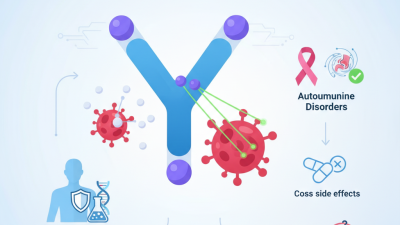
Accelerating antibody development is crucial in the current healthcare landscape. The growing prevalence of diseases underscores the need for innovative therapies. According to a report by Grand View Research, the global monoclonal antibodies market is projected to reach $300 billion by 2025. This surge highlights the vital role of antibody development in modern medicine.
Dr. Emily Chen, a leader in antibody research, stated, "Rapid advancements in antibody development are essential to meet urgent clinical needs." Her insights reflect a shared sentiment in the industry. Despite progress, challenges remain. Lengthy development timelines and high costs impede innovation. Moreover, the complexity of human immune responses adds layers of difficulty.
The call for more streamlined processes is urgent. Current practices can often lead to delays. Antibody development requires strategic investments in technology and talent. The integration of artificial intelligence and data analytics may enhance efficiency. Breakthroughs in this field can pave the way for effective treatments. Addressing these gaps will ultimately benefit patients worldwide.

Identifying key target antigens is vital for antibody development. Antigens are substances that trigger an immune response. In recent studies, around 70% of antibody therapies focus on specific disease-associated antigens. These antigens play a crucial role in guiding the development of effective treatments.
Precision in selecting target antigens can significantly impact the success rate of antibody therapies. A report from the Biotechnology Innovation Organization indicates that targeted therapies have over a 50% success rate, compared to less than 10% for non-targeted approaches. This shows the importance of thorough antigen identification.
However, it's challenging. Sometimes, potential antigens may not elicit strong immune responses.
Moreover, researchers must consider the tumor microenvironment's complexity. A 2022 study suggested that only 30% of identified antigens are truly effective in eliciting durable antibody responses. There’s often a gap between predicted and actual effectiveness.
Experimentation and refinement are essential. This ongoing process can lead to promising breakthroughs, even if the pathway is fraught with uncertainties.
The process of antibody isolation is crucial for developing effective treatments. Streamlined screening techniques can significantly enhance the speed of this process. Recent studies indicate that optimizing high-throughput screening methods can reduce the time needed for antibody discovery by up to 50%. This is a game changer in situations where time is critical.
Incorporating advanced techniques like phage display and single-cell sequencing can yield faster results. For example, using microfluidics can help screen millions of candidates in a matter of hours. However, the implementation of these technologies is not uniform across facilities. Many labs still rely on traditional methods, which can create bottlenecks. The need for training and adaptation remains a hurdle for many teams.
Replacing outdated practices with cutting-edge techniques can be daunting. It requires investment in both technology and skilled personnel. Data from recent reports reveal that only 30% of labs have integrated modern screening tools. This disparity may impede rapid response to emerging health threats. Thus, a collective effort to adopt innovative approaches is essential to accelerate antibody development effectively.
Antibody engineering has witnessed transformative advancements. According to a report by Research and Markets, the global monoclonal antibodies market is expected to reach $245 billion by 2027. This growth underscores the urgency of developing effective therapies swiftly. Advanced technologies, such as machine learning and CRISPR, are now revolutionizing the speed of antibody development.
Machine learning models analyze vast datasets. They identify potential antibody candidates more efficiently than traditional methods. This approach can cut development time by up to 30%. On the other hand, CRISPR technology enables precise modifications of antibody genes. This can enhance binding efficiency and reduce off-target effects. However, challenges remain. Balancing speed and accuracy is crucial in this rapid landscape.
Despite these advancements, not all approaches ensure success. A report from the National Institutes of Health highlighted that nearly 30% of antibody candidates fail in clinical trials. This raises questions about the optimization processes in the engineering stage. Engineers must refine their methods continuously. The promise of technology is vast, yet caution is needed to avoid hasty decisions.
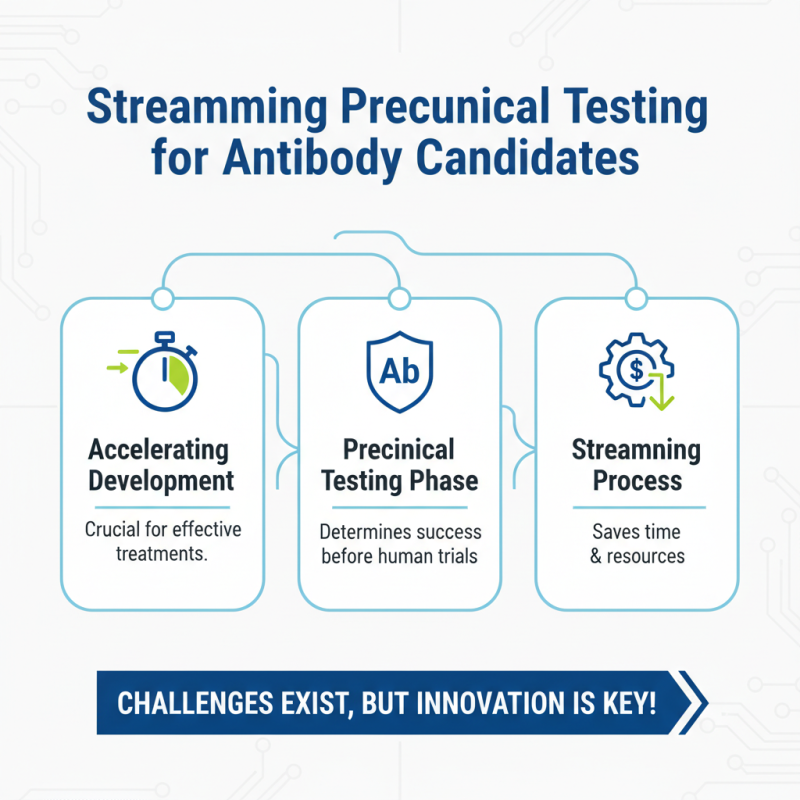
Accelerating antibody development is crucial for effective treatments against diseases. One of the key stages is preclinical testing. This phase can determine the success of an antibody candidate before human trials. Streamlining this process can save time and resources. However, it is often challenging.
To enhance efficiency, focus on selecting the right animal models. Different diseases may respond better to specific species. Using predictive models can provide more reliable data. It’s important to remain flexible and adjust models if initial tests show unexpected results. Pay attention to the dosage and administration routes, as these can greatly impact outcomes.
Tips for success: Utilize high-throughput screening methods to identify promising candidates quickly. Engage teams early to streamline communication and problem-solving. Establish clear criteria for moving candidates forward. Sometimes, adapting to unforeseen outcomes leads to breakthroughs. Embrace this fluidity in research. Mistakes should serve as lessons, refining future efforts.
Collaborating with regulatory bodies is crucial in speeding up antibody development. This partnership can simplify approval processes. Timely communication is essential. Developers must understand regulatory guidelines. A clear roadmap can help in planning studies efficiently.
Engaging with regulators early on can identify potential roadblocks. Meetings and discussions can clarify expectations. However, challenges still exist. Misunderstandings may arise due to complex regulations. It's important to remain flexible and adapt plans based on feedback from authorities.
Feedback loops can enhance the development process. They allow researchers to fine-tune methods and approaches. Nonetheless, navigating bureaucracy can be time-consuming. Some developers may feel overwhelmed. Regular updates and transparency are vital. Building trust can lead to smoother collaboration. Efforts must focus on creating a supportive environment.