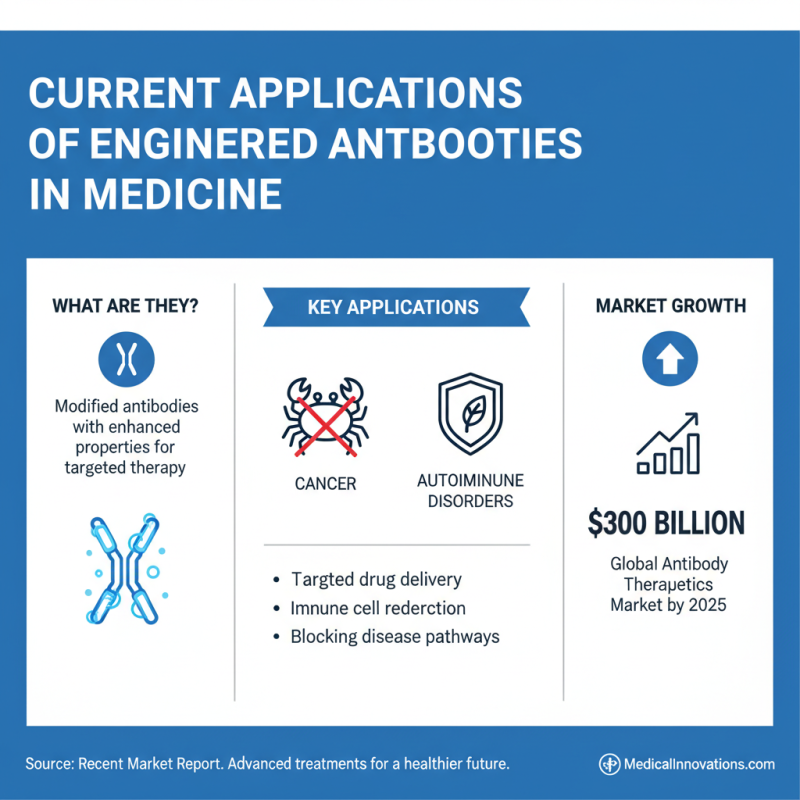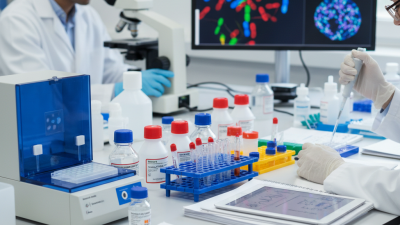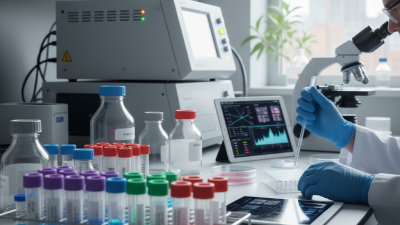
Antibody engineering is a groundbreaking field in biotechnology. It focuses on creating modified antibodies for medical applications. These engineered antibodies can target specific diseases, improving treatment options for conditions like cancer.
The process of antibody engineering involves various techniques. Researchers can alter the structure of antibodies to enhance their effectiveness. For instance, they may change the binding sites, increasing precision in targeting harmful cells. This specificity is crucial for achieving better therapeutic outcomes.
Despite its advancements, antibody engineering is not without challenges. The complexity of the human immune system means that engineered antibodies may sometimes fail. Rigorous testing is essential, yet perfecting these modifications can be difficult. Scientists continue to address these hurdles, pushing the boundaries of what antibody engineering can achieve.
Antibody engineering is a fascinating field. It involves designing and modifying antibodies to enhance their effectiveness against diseases. The importance of this process cannot be overstated. Every year, millions suffer from ailments that could potentially be treated with engineered antibodies. These antibodies can target specific pathogens, offering targeted therapies with fewer side effects.
Creating antibodies is not without challenges. Researchers often face difficulties in ensuring stability and efficacy. Some engineered antibodies have unpredictable responses in the human body. Understanding the nuances of antibody interactions is crucial. The complexity of immune responses can lead to unexpected outcomes. Thus, continuous experimentation and adjustments are necessary.
Moreover, the potential for improvement is always present. Many engineered antibodies still fall short of their intended functions. It’s essential to acknowledge that even minor alterations can significantly affect their performance. The journey of antibody engineering is ongoing, with many possibilities ahead. Each advancement brings hope, but it also requires careful evaluation and testing.
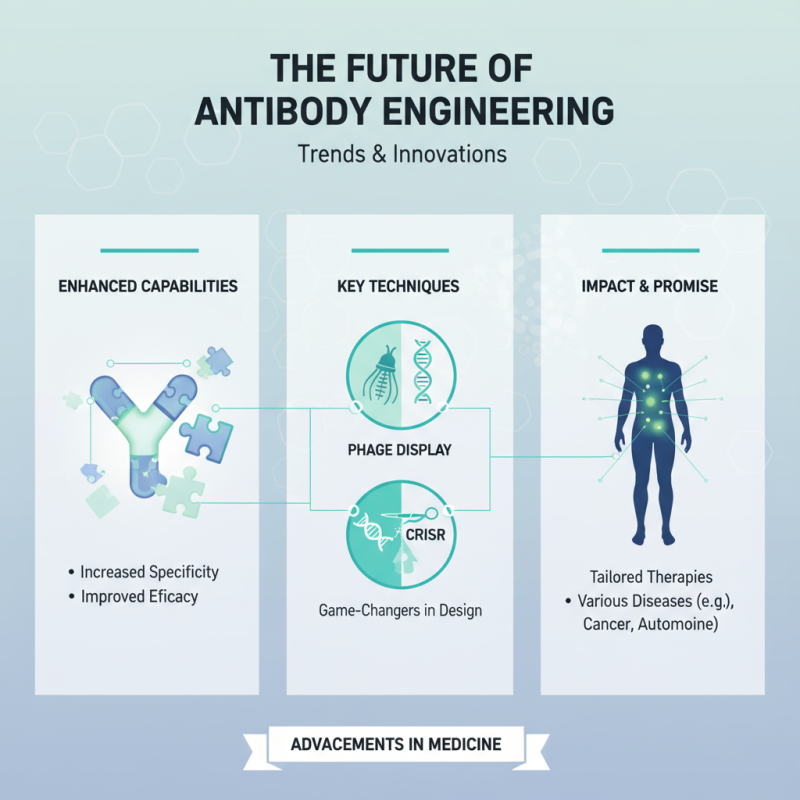
Antibody engineering is transforming biotechnology with innovative techniques. Key approaches include hybridoma technology, phage display, and more recently, CRISPR gene editing. Hybridoma technology allows researchers to produce monoclonal antibodies. It involves fusing mouse myeloma cells with antibody-producing B cells. This creates hybrid cells that can produce specific antibodies indefinitely. Phage display enables the identification of specific antibodies by displaying them on the surface of a virus. This method rapidly accelerates discovery.
Many studies highlight the growing significance of these techniques. According to a recent report, the global antibody engineering market is expected to reach $33.9 billion by 2026. This growth underscores the importance of developing advanced methodologies.
Tips: Understanding the nuances of each technique is vital. Explore various methods, especially the limitations they bring. While CRISPR is a game changer, it also raises ethical discussions. Embrace ongoing learning in this evolving field. Always question existing practices and stay updated with new data.
Monoclonal antibodies play a crucial role in modern medicine. They are designed to target specific antigens on pathogens or cancer cells. This precision helps to minimize damage to normal cells. These therapeutic agents are produced from identical immune cells. This means they can effectively bind to the same site on an antigen.
In many therapies, monoclonal antibodies are used to enhance the immune response. They can also deliver toxins directly to cancer cells. However, the production of monoclonal antibodies can be complex. It requires a deep understanding of protein engineering and cell culture techniques. Each step in manufacturing needs careful validation. Any small mistake can reduce effectiveness or introduce risks.
Moreover, not all patients respond the same way to these therapies. Some may experience adverse effects, while others may show no improvement. This inconsistency raises questions about personalized medicine. The challenge lies in tailoring treatments to individual needs. As research advances, the landscape of monoclonal antibodies continues to evolve, revealing both opportunities and uncertainties.
| Application Area | Monoclonal Antibody Type | Mechanism of Action | Therapeutic Target |
|---|---|---|---|
| Cancer Treatment | IgG1 | Induces apoptosis and mediates immune response | Tumor-associated antigens |
| Autoimmune Disorders | IgG4 | Neutralizes pathogenic antibodies | Cytokines or B cells |
| Infectious Diseases | IgM | Blocks pathogen entry and enhances phagocytosis | Viruses and bacteria |
| Cardiovascular Diseases | IgG2 | Inhibits inflammation and thrombus formation | Platelets and inflammatory mediators |
| Vaccination | IgA | Provides mucosal immunity | Specific pathogens |
Antibody engineering holds great promise for medical advancements. However, several challenges persist in this rapidly evolving field. One significant hurdle is the complexity of creating highly specific antibodies. Designing antibodies that target specific antigens can be time-consuming and cost-prohibitive. Researchers often face difficulties in predicting how antibodies will interact with pathogens. These challenges can lead to unexpected results or low efficacy in therapeutic applications.
Innovations are emerging to tackle these issues. For instance, machine learning algorithms help streamline the process of antibody design. These tools analyze vast datasets to predict successful interactions. Nevertheless, reliance on technology may inadvertently overlook nuances in antibody behavior. Additionally, diverse biological environments can alter antibody effectiveness. Understanding these factors is crucial for improving outcomes.
As researchers push forward, they must continually adapt to new findings. This dynamic environment requires flexibility and a willingness to embrace failures. Adapting strategies based on real-time data can improve antibody engineering efforts. Collaboration among scientists across disciplines also fosters innovation. The journey is fraught with obstacles, but each challenge offers an opportunity for growth and learning.
Antibody engineering is rapidly evolving, holding promise for future medical advancements. Researchers are exploring new ways to enhance the effectiveness of engineered antibodies. By developing bispecific antibodies, scientists aim to target two types of antigens at once. This approach could lead to better therapies for complex diseases like cancer.
The potential of antibody engineering extends beyond treatment. It could enable diagnostic tools that are more precise. However, challenges remain. Ensuring the stability and efficacy of engineered antibodies is crucial. Unanticipated immune responses could emerge, complicating their use in therapies. Continuous testing and feedback are essential for overcoming these hurdles and realizing the full potential of antibody technology. The journey ahead is complex, yet the possibilities are inspiring.