10 Essential Tips for Mastering 3D Cell Culture Techniques?

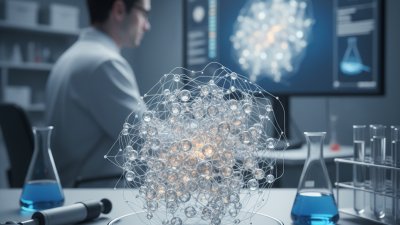
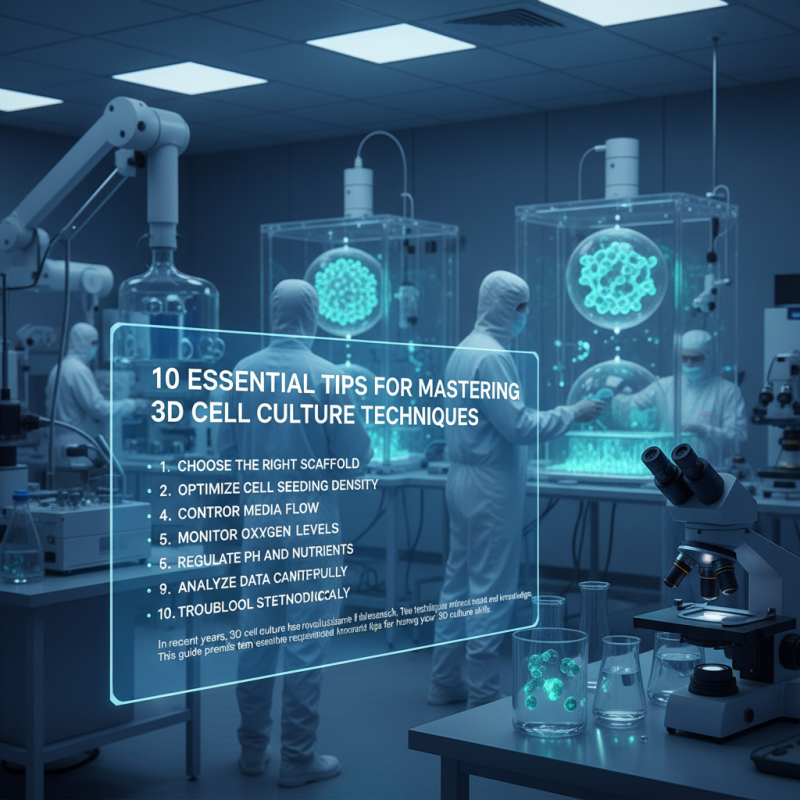
In recent years, 3D cell culture has revolutionized the field of biomedical research. This technique better mimics the natural environment of cells, allowing for more accurate study of cellular behaviors. Unlike traditional 2D cultures, 3D cell culture systems provide more realistic interactions. This enhances drug testing and disease modeling.

Mastering 3D cell culture techniques requires skill and knowledge. Researchers often encounter challenges that demand critical thinking. Issues may include inconsistent cell growth or unexpected results. Reflecting on these obstacles is vital for improvement.

This guide presents ten essential tips for honing your 3D cell culture skills. Each tip is designed to offer practical insights. With these strategies, you can enhance your experimental designs and outcomes. Embrace the learning process, overcome your hurdles, and refine your approach to 3D cell culture.
10 Essential Tips for Mastering 3D Cell Culture Techniques?

Understanding the Basics of 3D Cell Culture Techniques

3D cell culture techniques have gained significant attention in recent years. Researchers are transitioning from traditional 2D cultures to 3D systems. This shift offers improved mimicking of in vivo environments. Such enhancements are vital for drug discovery and tissue engineering. A report from the National Institutes of Health highlights that 3D cultures can predict drug responses more accurately than 2D systems.

Understanding the basics of 3D cell culture involves recognizing key factors. Cellular architecture is crucial; it influences cell behavior significantly. The extracellular matrix (ECM) plays a vital role. It supports cell attachment and growth. Additionally, nutrient diffusion and waste removal become complex in 3D cultures. A study by the American Society for Cell Biology indicates that 40% of researchers observe variations in cell responses when transitioning from 2D to 3D environments.

Despite the advantages, challenges persist. Reproducibility in results can be an issue. Protocols might require optimization based on specific cell types. Researchers must also consider the cost of materials and equipment. Continuous refinement and adaptation are necessary to overcome these barriers. Understanding these intricacies ensures more effective application of 3D culture techniques in research.
3D Cell Culture Technique Comparison

Key Materials and Reagents for Successful 3D Cell Culturing

10 Essential Tips for Mastering 3D Cell Culture Techniques?

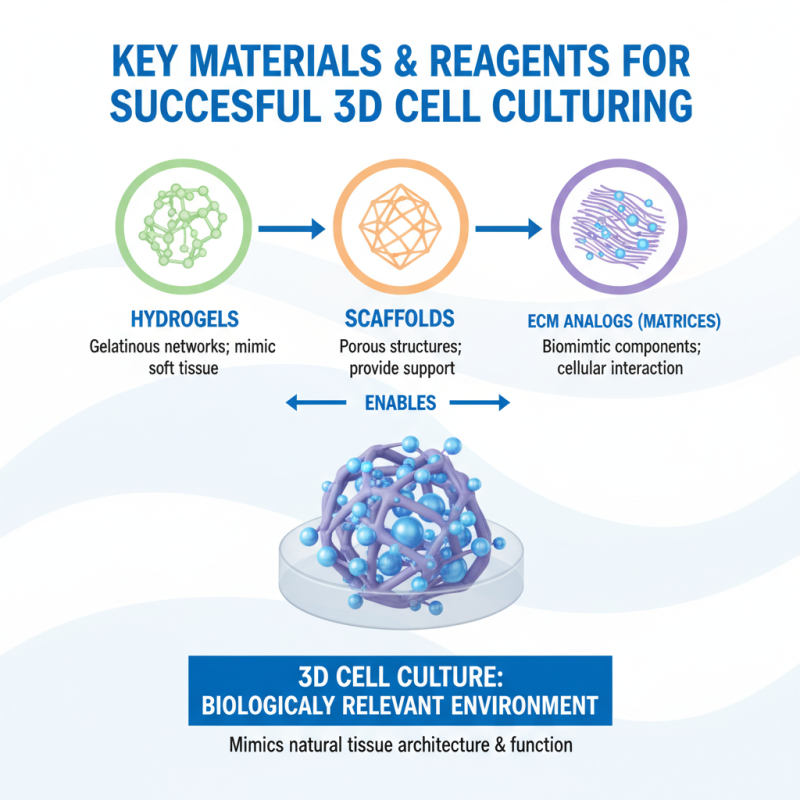
Culturing cells in three dimensions (3D) offers numerous advantages over traditional 2D methods. This technique closely mimics the natural cellular environment. Key materials for successful 3D cell culture include hydrogels, scaffolds, and specific matrices. These components allow cells to grow in a more biologically relevant state.

Hydrogels, such as alginate and Matrigel, provide a supportive network for cell adhesion and growth. A report from the International Society for Stem Cell Research highlights that 3D models can enhance cell differentiation by 50% compared to 2D cultures. Scaffolding materials such as collagen can also play a crucial role in guiding cell behavior. Cells experience improved survival and functionality when embedded in these environments.

Moreover, selecting the right growth factors and nutrients is vital for optimal outcomes. Factors like EGF (epidermal growth factor) promote cell proliferation and differentiation. However, too much growth factor can lead to cell overcrowding and reduce viability. Adjusting concentrations requires careful monitoring. Errors in formulation or environmental conditions can yield inconsistent results, necessitating reflection on best practices. 3D cell culture offers significant potential, but mastering the materials and reagents is essential for success.

Comparative Analysis of 3D vs. Traditional 2D Cell Culture Methods

10 Essential Tips for Mastering 3D Cell Culture Techniques?

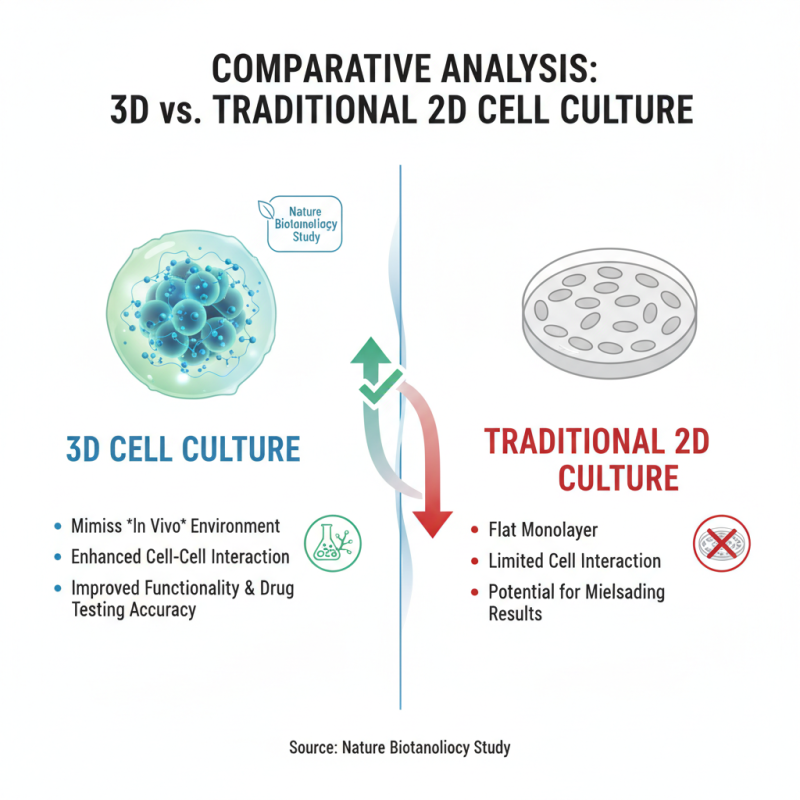
In the realm of cell culture, 3D methods are gaining ground over traditional 2D techniques. According to a recent study published in the *Nature Biotechnology*, 3D cultures better mimic the in vivo environment. They allow cells to interact in a more natural manner, which can lead to enhanced functionality. In contrast, 2D cultures often fail to replicate these interactions. This disparity affects drug testing and development, potentially leading to misleading results.

One significant advantage of 3D cultures is the improved cell survival rates. Research indicates that up to 80% of cells die in traditional 2D cultures due to a lack of structural support. Meanwhile, cells in 3D environments experience better nutrient distribution and waste removal. This can result in more reliable data when evaluating therapeutic responses. However, mastering 3D techniques is still challenging, as variations in scaffold materials and methods can yield inconsistent outcomes. Understanding these nuances is essential for researchers aiming to transition from 2D to 3D cultures effectively.

Moreover, while 3D cultures demonstrate clear advantages, limitations still exist. The costs associated with equipment and materials often deter labs from adopting them. This reality means that some researchers may need to balance the potential benefits against their operational budgets. Recognizing these hurdles is crucial as the field of cell culture evolves.

Optimizing Environmental Conditions for Enhanced Cell Growth

3D cell culture techniques offer new dimensions in cellular research. Optimizing environmental conditions is crucial for enhanced cell growth. Factors such as temperature, pH, and oxygen levels need careful monitoring. Each cell type has unique requirements. For example, some cells thrive in slightly acidic environments, while others prefer neutral pH levels. Calibration of these factors can significantly impact cell viability and function.

Illumination also plays a role. Cells exposed to excessive light may undergo phototoxicity. Therefore, using dim lighting or specific wavelengths can improve outcomes. Humidity is another consideration. A low-humidity environment can lead to cell desiccation, compromising growth. Regular assessments of environmental conditions can help detect any deviations. This proactive approach encourages consistent and successful cell cultures.

Reflection on these techniques is essential. Not every attempt will yield successful results. There might be unexpected cell behavior or reduced growth rates. Analyzing these instances can lead to better understanding. Adjusting protocols based on feedback is part of mastering 3D culture techniques. It's an evolving journey requiring patience and diligence.

Monitoring and Analyzing Results in 3D Cell Culture Experiments

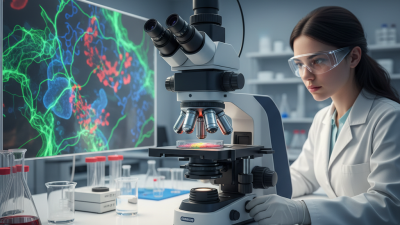
Monitoring and analyzing results in 3D cell culture experiments is crucial. This process often requires multiple techniques to ensure accurate findings. Imaging methods, such as confocal microscopy, offer insights into cell behavior and spatial organization. It's important to select the right imaging resolution to capture pertinent details. However, varying cell sizes may complicate data interpretation.

Another key aspect is quantifying cellular responses. Flow cytometry can offer a rapid assessment, although it may miss information on cell interactions. More holistic methods, like live-cell imaging, can provide better context, but demand careful setup. Data often shows unexpected trends that need further exploration. That’s where critical thinking comes in.

Documentation of all experiments is often overlooked. This includes noting deviations from expected results. Sometimes, initial hypotheses fail under scrutiny. Yet, these failures can guide future research. Regularly reviewing protocols and outcomes fosters a culture of continuous improvement. Embracing both success and setbacks can lead to more meaningful discoveries in the realm of 3D cell culture.

Search engine powered by ElasticSuite