Why is Antibody Development Crucial for Modern Medicine?

Antibody development plays a pivotal role in modern medicine, particularly in treating diseases like cancer and autoimmune disorders. According to a report by Grand View Research, the global antibody market is projected to reach over $300 billion by 2025. This growth underscores the importance of innovative antibody therapies in the healthcare landscape. Dr. Emily Chen, a leading expert in immunotherapy, emphasized, "The future of medicine hinges on our ability to leverage antibody development for targeted treatments."

Despite advancements, challenges persist. For instance, the complexity of human immune responses makes antibody design difficult. Clinical trials often face setbacks, as many candidates fail to demonstrate efficacy. The process can be time-consuming and expensive, raising questions about resource allocation. Industry insiders stress the need for improved strategies.

Moreover, ethical considerations emerge when discussing antibody therapies. Balancing access and affordability is crucial. Some treatments remain out of reach for many patients. This disparity in healthcare access requires ongoing dialogue and innovative solutions. The journey of antibody development is not without its imperfections, yet it continues to shape the future of medicine profoundly.

Why is Antibody Development Crucial for Modern Medicine?

Importance of Antibodies in Immune Response and Disease Defense

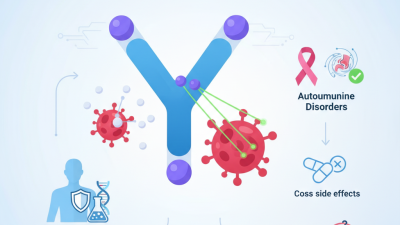
Antibodies play a vital role in our immune response. These proteins are produced by B cells in response to pathogens. They recognize and bind to specific antigens, like bacteria and viruses. This binding helps neutralize threats. Antibodies mark invaders for destruction by other immune cells. It’s a sophisticated system that keeps us healthy.

However, antibody development is not perfect. Some pathogens evolve quickly, changing their antigens. This can trick the immune system. Vaccines help train our bodies to recognize these changing threats. Yet, not every vaccine is effective for everyone. For some, the response is weak. It raises questions about how to improve these treatments.

Moreover, autoimmune diseases can arise when antibodies attack our cells. This highlights the complexity of the immune system. Understanding how antibodies work can lead to better therapies. Research in this area is essential. As we delve deeper, we may uncover new ways to enhance disease defense. Antibody development remains crucial in tackling modern health challenges.
Historical Perspective on Antibody Discovery and Development in Medicine

Antibodies have played a transformative role in medicine over the years. In the early 20th century, researchers began isolating antibodies from animal serum. These discoveries laid the groundwork for modern immunology. Scientists noted how antibodies could target specific pathogens effectively. The journey wasn't smooth, though. Initially, the understanding was limited and imprecise. Errors in dosages and applications led to setbacks.

The mid-20th century saw a surge in antibody research. Advances in technology enabled mass production. It also allowed for the development of monoclonal antibodies. These are engineered to attach to specific targets. Despite these breakthroughs, challenges remain. Some treatments face issues with effectiveness or side effects. Research continues to grapple with these questions.

Today, the fight against diseases like cancer relies heavily on antibody therapies. Yet, the road ahead is filled with uncertainties. Developing innovative therapies requires meticulous planning and testing. Even successful drugs can have unexpected outcomes. Reflection on past mistakes is vital for future progress. The legacy of antibody development reminds us that medicine is a constantly evolving field.

Current Advances in Monoclonal Antibody Therapy: Statistics and Impact

Why is Antibody Development Crucial for Modern Medicine?

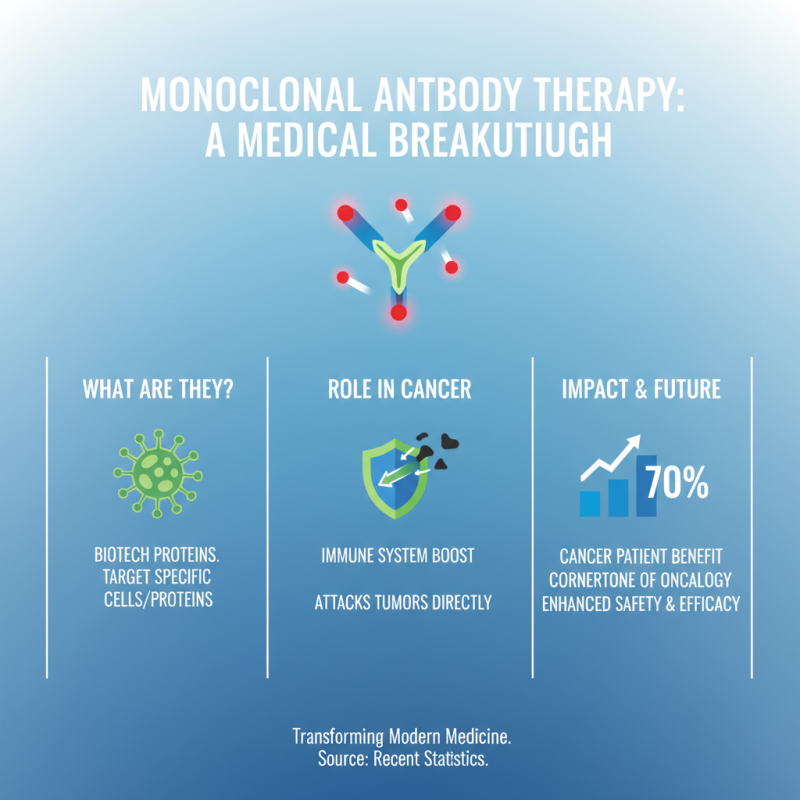
Monoclonal antibody therapy has transformed modern medicine. These antibodies are designed to target specific cells or proteins. In cancer treatment, for example, they direct the immune system to attack tumors. Recent statistics show that nearly 70% of cancer patients benefit from some form of antibody therapy. This safety and efficacy profile makes it a cornerstone in oncology.

Tips: Always consider the patient’s unique needs. Not every treatment will suit everyone. Personalization in therapy is key. Also, keep an eye on emerging research. New therapies are being developed continuously.

Another area where monoclonal antibodies shine is in autoimmune diseases. Conditions like rheumatoid arthritis are increasingly managed with these therapies. Statistics reveal that they can reduce disease activity in over half of the patients treated. However, access to these therapies may not be equal globally, leading to disparities that warrant reflection. More awareness is crucial for equitable healthcare.

Challenges in Antibody Development: Timeframes and Research Investment

Developing antibodies is a complex journey. Timeframes can be long and uncertain. Research investment is often significant, yet outcomes are not guaranteed. Scientists face numerous challenges during this process. Each stage requires meticulous planning and execution. From initial discovery to clinical trials, obstacles arise at every turn.

For instance, creating a viable candidate can take years. Identifying suitable targets is not straightforward. Researchers may experience setbacks in early-stage testing. These hurdles can lead to delays and increased costs. Sometimes, the initial hypothesis does not hold up in practice. This can be frustrating for teams invested in their work.

Moreover, funding is critical but often limited. Budget constraints can hinder progress. Researchers might struggle to secure adequate resources. This highlights the need for more collaboration and support in the field. By investing more in antibody development, we can improve success rates. Innovative ideas and teamwork can drive breakthroughs. Even small wins contribute to our understanding and capabilities.

Future Directions: Innovations in Antibody Engineering and Therapy

Antibody engineering represents a thrilling frontier in modern medicine. Innovations in this field are paving the way for new therapies that can target diseases more effectively. Scientists are now using advanced techniques to modify antibodies. This can enhance their ability to fight infections and even cancer.

One intriguing direction is the development of bispecific antibodies. These molecules can bind to two different targets simultaneously. This has the potential to improve precision in treatments. For instance, they might help the immune system better recognize and destroy cancer cells. However, challenges remain, such as ensuring stability and efficacy.

**Tip:** Stay informed about the latest research. New breakthroughs often emerge that can change our understanding of antibody therapies. Also, consider how emotional support can help patients undergoing antibody treatments. It's essential to address both the scientific and human sides of healthcare. The future holds promise, but it requires careful consideration and reflection on ethical implications.

Search engine powered by ElasticSuite