
2026 Top Trends in Blood Tubes for Medical and Laboratory Use?
The landscape of blood tubes in the medical and laboratory sector is evolving rapidly. With advancements in technology, the demand for high-quality blood tubes is on the rise. According to a recent market report, the blood tube market is projected to grow at a CAGR of 7% by 2026. This growth highlights the importance of innovation in design and materials used in blood tubes.
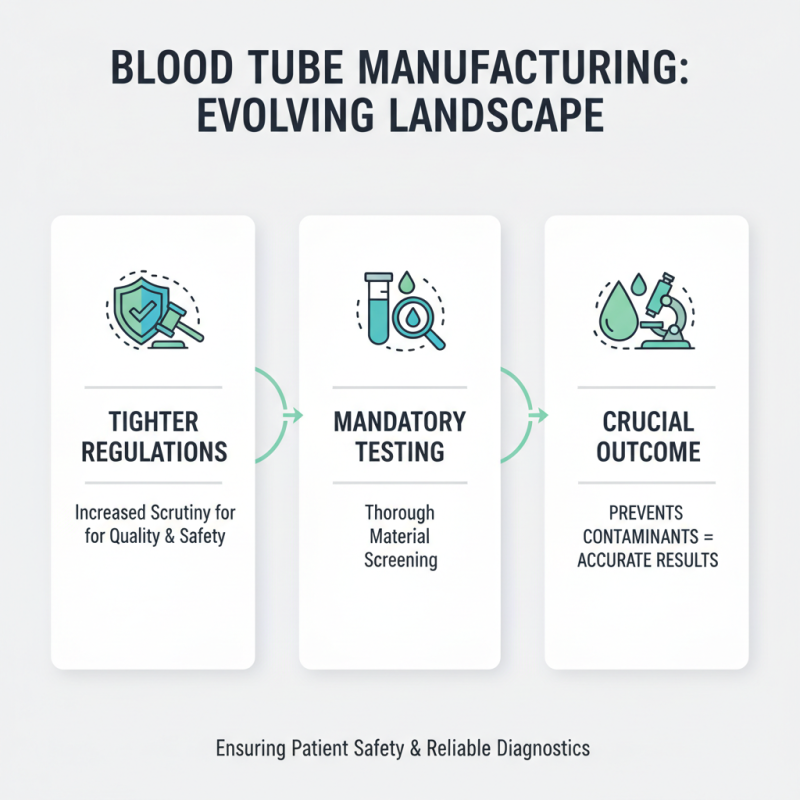
In laboratories worldwide, the efficiency of blood sampling processes depends heavily on the tubes used. Quality blood tubes can reduce contamination risks and improve test accuracy. However, not all blood tubes meet the high standards required for critical tests. As healthcare providers seek to enhance patient outcomes, there's an increasing focus on the selection of reliable blood tubes.
Despite the advancements, there are still many challenges in the industry. Some old designs continue to exist, leading to inefficiencies in testing procedures. Inadequate training on blood tube usage remains a concern for laboratory personnel. As we look toward 2026, it is imperative to address these issues while promoting the adoption of state-of-the-art blood tube technologies.

2026 Trends: Innovations in Blood Tube Materials and Technology
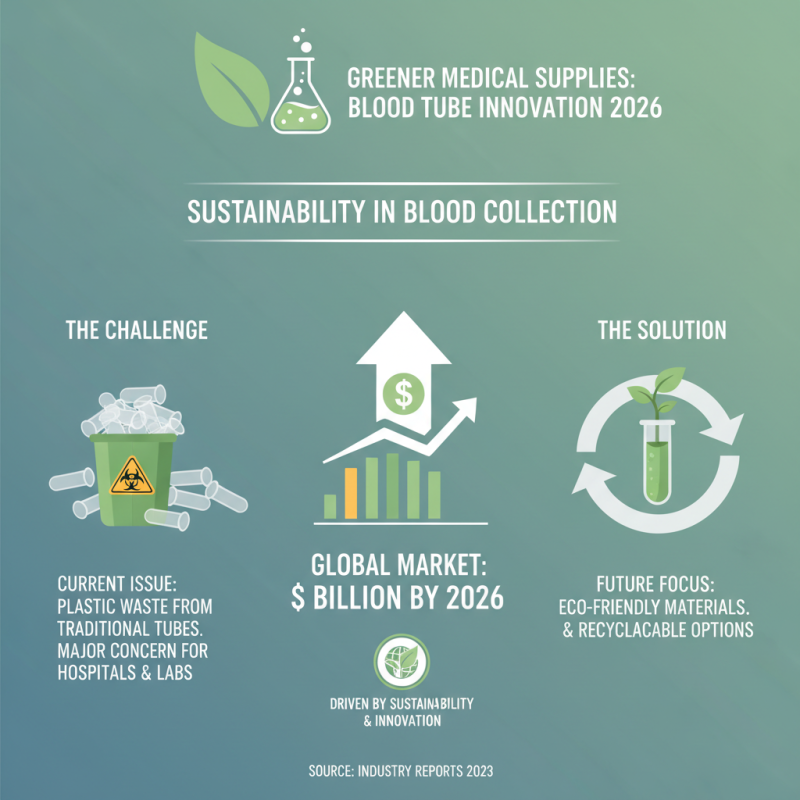
In 2026, the landscape of blood tube technology is changing rapidly. Innovations are emerging, focusing on materials that enhance safety and performance. One notable trend is the shift towards biodegradable materials. This change reflects a growing concern for environmental sustainability in medical settings. These new materials have potential. Yet, they also raise questions about durability and cost.
Another exciting development is the integration of smart technologies in blood tubes. Some prototypes feature sensors to monitor temperature and pressure. This data helps prevent contamination and ensures sample integrity. However, the reliability of these technologies needs further validation. Can we trust them in critical situations? These advancements promise improved efficiency but require careful consideration.
Color-coded blood tubes continue to play a crucial role. Innovations in labeling make identification clearer. Yet, confusion still exists in clinical practice. Different protocols can lead to mistakes. Streamlined education and training are essential as these technologies evolve. As the industry advances, we must evaluate these trends critically to maximize their benefits while minimizing risks.
2026 Top Trends in Blood Tubes for Medical and Laboratory Use
| Trend | Description | Material Innovations | Technology Advancements | Key Features |
|---|---|---|---|---|
| Eco-friendly Blood Tubes | Increased demand for sustainable materials in laboratory settings. | Biodegradable plastics, recycled materials. | Innovative eco-design ensuring minimal carbon footprint. | Reduced environmental impact, lightweight design. |
| Advanced Safety Features | Integration of safety mechanisms to prevent needle-stick injuries. | Reinforced glass, puncture-resistant plastics. | Smart safety technology that activates automatically. | Enhanced user safety, compliance with health regulations. |
| Integration with Digital Health | Blood tubes equipped with barcodes and RFID for tracking. | RFID-enabled materials and coatings. | Connectivity to laboratory information systems. | Improved traceability, reduced errors in sample handling. |
| Customizable Blood Tubes | Options for tailoring tube colors, labels, and additives. | Flexible polymer combinations for customization. | Automated manufacturing for rapid customization. | Personalization to meet specific laboratory needs. |
| Improved Blood Preservation Techniques | New methods to enhance the shelf life of blood samples. | Advanced container materials that minimize contamination. | Innovative additives for blood stability. | Longer storage times, reduced need for immediate processing. |
Related Posts
-

The Best 10 Techniques in Cell Imaging You Should Know?
-

What is Antibody Engineering and How Does It Work?
-
What is a cell proliferation assay and how is it used?
-

2026 Best Recombinant Antibody Applications and Benefits?
-

What is 3D Cell Culture and How Does It Work?
-

Why Are Monoclonal Antibodies Important for Disease Treatment?