RNA research often begins before the laboratory opens its doors. A blood sample may travel through a busy clinic, a courier box, and a cold storage room. During that time, cellular RNA can change quickly. Handling delays, temperature shifts, and repeated processing may affect the results.
paxgene blood rna tubes are designed to stabilize RNA directly in whole blood after collection. Their reagent system helps preserve intracellular RNA profiles during transport and storage. This can create a more consistent starting point for extraction and downstream analysis. Researchers can spend less time worrying about immediate processing windows. That practical advantage matters in multicenter studies and routine clinical workflows.
The details still matter. Tube filling, gentle mixing, storage temperature, and extraction procedures require careful control. No collection tube removes every source of variation. That is worth remembering. Experienced laboratories should validate the workflow for their sample type and intended assay. Results may differ across platforms, populations, and storage conditions.
A reliable system is not simply convenient. It supports traceability, repeatability, and defensible data interpretation. For teams measuring gene expression, biomarker signals, or transcriptomic changes, paxgene blood rna tubes can offer a structured approach to RNA preservation. Their value is strongest when the entire workflow is documented, tested, and reviewed critically. Good science leaves room for questions. That is where confidence grows.
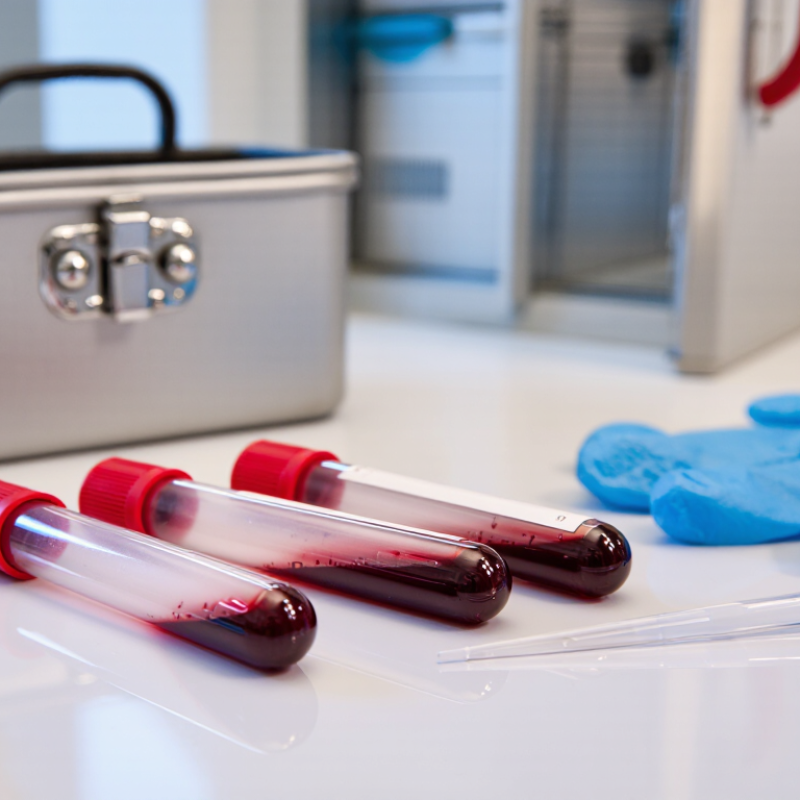
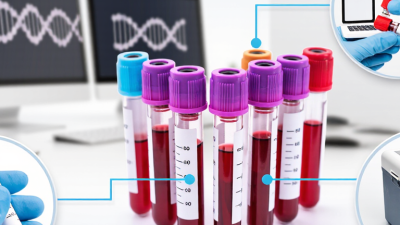
Blood RNA stabilization tubes are specialized collection containers designed for whole-blood samples. They contain a liquid reagent that enters the blood immediately after collection. This reagent helps preserve RNA profiles before laboratory processing begins.
The tube is not simply a storage bottle. It combines blood collection, cellular stabilization, and controlled transport in one device. After venipuncture, the tube should be filled to the marked volume and gently inverted several times. This distributes the reagent without harsh mixing. A small error here can affect sample quality.
In routine laboratory work, these tubes help reduce RNA degradation during short-term handling and shipment. They are useful when immediate RNA extraction is unrealistic. Stabilized samples can support downstream gene-expression studies, provided the laboratory follows validated storage conditions. Temperature matters. Timing matters too.
The tube does not repair poor sampling or replace good laboratory practice. I have found that clear labeling and consistent inversion are easy to overlook, yet they strongly influence reproducibility. Another practical concern is clotting. An underfilled tube, delayed mixing, or visible clot may compromise the result. For reliable work, laboratories should verify the tube’s instructions, storage limits, and extraction workflow before processing valuable samples.
Why Choose RNA Stabilization Tubes for RNA Stability?
How They Preserve RNA Stability After Blood Collection
Blood RNA can change within minutes of collection. Cells remain active, and transcripts may degrade or shift during transport. Stabilization tubes address this risk by combining blood collection with an RNA-preserving reagent. When the tube fills correctly, the reagent quickly disrupts cellular activity and limits unwanted gene-expression changes.
The process begins immediately after collection. Gentle inversion mixes blood with the stabilizer throughout the tube. This matters because unmixed blood may create local areas with weaker protection. After stabilization, samples can follow defined storage conditions before extraction. Refrigerated storage is common, while longer holding periods may require freezing. Exact limits depend on the tube design, sample volume, and validated laboratory protocol.
In routine laboratory work, consistency is often more important than speed. Staff should check the fill line, record collection time, and avoid vigorous shaking. Small errors can affect downstream RNA yield and integrity. A slightly underfilled tube may change the blood-to-reagent ratio. That detail is easy to overlook.
The tubes also support safer study design by reducing biological changes between collection sites and processing times. However, they are not a replacement for validation. Laboratories should compare RNA integrity, yield, and target-gene measurements using their own instruments and sample types. Results can vary with leukocyte counts, storage temperature, and extraction chemistry. The system is useful, but not foolproof.
How they preserve RNA stability after blood collection
Stabilization immediately after blood collection helps limit RNase-driven degradation and reduces changes in RNA profiles during handling. The normalized index uses the RNA integrity at collection as the 100% baseline; actual results depend on sample type, handling time, temperature, and extraction method.
Reliable RNA analysis begins before extraction. Blood RNA collection tubes use a stabilizing solution that rapidly disrupts cells and limits RNA degradation. This matters because blood samples may wait during transport, accessioning, or batch preparation. Without prompt stabilization, temperature shifts and endogenous RNases can change transcript levels. Small delays matter.
Key features include controlled chemical stabilization, secure closure, and a format designed for consistent blood volume collection. The additive helps preserve RNA profiles closer to the original sample state, supporting more comparable results across sites. Clear handling instructions also reduce avoidable variation during mixing, cooling, freezing, and extraction. In practice, staff should invert tubes gently after collection and follow validated storage limits. Do not improvise.
Quality protection is not automatic. Tube performance still depends on correct fill volume, adequate mixing, clean labeling, and disciplined timing. Laboratories should verify their workflow with controls, especially when studying low-abundance transcripts. These checks strengthen traceability and help distinguish biological differences from handling effects. One limitation deserves attention: stabilization chemistry may not suit every downstream assay or sample type. That uncertainty requires validation, not assumption.
| Data Dimension | Key Feature | How It Helps Protect RNA Quality |
|---|---|---|
| Immediate RNA Stabilization | A dedicated stabilization reagent is released when blood is collected and mixed correctly. | Helps limit post-collection changes in RNA expression and reduces RNA degradation before extraction. |
| Whole-Blood Processing | The sample is stabilized directly in the collection tube rather than requiring immediate cell separation. | Minimizes extra transfers, centrifugation steps, and handling-related variability. |
| RNase Control | The stabilization chemistry helps protect intracellular RNA from nuclease activity after collection. | Supports preservation of RNA quantity and integrity during the defined storage and transport workflow. |
| Standardized Sample Input | A calibrated blood-draw format provides a consistent sample-to-reagent ratio when filled to the intended volume. | Improves reproducibility between samples and helps maintain consistent extraction performance. |
| Temperature Flexibility | Stabilized samples can be managed using defined short-term, refrigerated, or frozen storage conditions according to the validated protocol. | Provides practical flexibility for laboratories coordinating collection, transport, and batch extraction. |
| Reduced Pre-Analytical Variation | Stabilization begins during collection, before routine laboratory processing. | Helps reduce variation caused by differences in collection-to-processing time and sample handling. |
| RNA Integrity Assessment | Extracted RNA quality can be evaluated using concentration, purity ratios, and an RNA integrity measurement. | Provides objective quality-control evidence before reverse transcription, sequencing, or expression analysis. |
| Downstream Molecular Applications | Purified RNA may support applications such as RT-qPCR, transcriptome analysis, and RNA sequencing when extraction and quality criteria are met. | Preserved RNA quality improves the reliability and comparability of downstream molecular results. |
Blood RNA stabilization tubes support reliable RNA research when samples cannot reach the laboratory immediately. They preserve intracellular RNA profiles soon after collection. This matters in transcriptomics, immune profiling, and biomarker studies. A stabilized sample is less vulnerable to handling delays, temperature changes, and RNase activity. That protection helps researchers compare specimens collected at different sites.
For longitudinal studies, consistent stabilization can reduce unwanted variation between collection days. Researchers studying cancer, inflammation, or treatment response may obtain cleaner trends across repeated blood draws. Small-volume workflows also benefit. One tube can simplify collection, labeling, transport, and later extraction. Less handling means fewer opportunities for contamination or accidental degradation. It feels practical in a busy clinical research setting.
Not every project gains the same advantage. Some targets may respond differently to stabilization chemistry, and extraction methods still require validation. We have seen that careful mixing immediately after collection matters more than many protocols suggest. Timing matters. Storage temperature matters too. Researchers should test yield, integrity, and target-gene performance with their own samples. A tube can improve stability, but it cannot repair poor collection technique. That limitation deserves attention.
Choosing a blood RNA stabilization tube requires more than trusting a familiar product name. The tube must match your collection workflow, sample volume, and downstream assay.
A busy clinic may need simple handling, clear fill lines, and reliable mixing after collection. Small details matter. Underfilled tubes can change the blood-to-reagent ratio and affect RNA quality.
Storage conditions deserve close attention. Ask how long samples may remain at room temperature before freezing. Check whether your laboratory can support the required centrifugation, temperature, and transport steps.
I once assumed that immediate freezing solved every stability concern. It did not. Delayed mixing and repeated temperature changes still created inconsistent results. A written procedure, trained staff, and recorded timestamps are essential.
Compatibility should also guide the decision. Compare expected RNA yield, purity, and integrity using your actual patient population. Healthy volunteer samples may not represent samples affected by inflammation, medication, or low blood volume.
Review evidence from independent laboratories when possible. Confirm that extraction instruments and molecular assays perform well with the preserved material.
Cost includes more than the tube itself. Include shipping, freezer space, staff time, failed extractions, and repeat collections. A short pilot study may reveal practical problems before routine adoption.